Finland Ends Europe's Last Major Gambling Monopoly - What Changes in 2027

Finland will open its online gambling market to private operators in January 2027, ending Veikkaus' 80-year state monopoly. This makes Finland the last major EU country to abandon government-controlled online gambling - and the transition won't be smooth.
The reform bill passed parliamentary hearings in November 2025, with final approval expected before year-end. But here's the twist: April 2027 elections may push the actual launch to summer. Politicians fear a gambling advertising explosion right before voters head to the polls.
Why does this matter beyond Nordic borders? Finland's approach - combining Sweden's tax model with stricter-than-Denmark marketing rules - is essentially an experiment. If it works, other countries will copy it. If it fails, the entire European regulatory philosophy faces questions.
The Monopoly That Stopped Working
Veikkaus, Finland's state gambling operator, held exclusive rights to all gambling since the 1940s. The justification was always player protection: a single, government-controlled operator would limit gambling harm better than competitive markets.
That argument collapsed years ago.
Channelization - the percentage of gambling happening through legal operators - dropped below 50%. More than half of Finnish online gamblers now use offshore sites. Between €500-550 million flows annually to unlicensed operators, money that generates zero tax revenue and offers zero regulatory oversight.
Even Veikkaus itself admitted defeat. In 2022, the company publicly stated it no longer wants the monopoly. When your monopolist asks to face competition, the system is beyond saving.
The numbers tell the story: Veikkaus revenue fell 7.3% in 2024 to €956 million, while operating profit dropped nearly 20%. The company has lost roughly 40% of its gross gaming revenue over five years. Meanwhile, unlicensed competitors thrived without spending a euro on compliance.
What the New System Looks Like
Finland chose an unlimited licensing model - any operator meeting requirements can enter. This differs from markets like the Netherlands, which caps license numbers. The approach mirrors Sweden's 2019 reform, though with significant differences in execution.
The tax rate lands at 22% of gross gaming revenue, matching Sweden's current level. License fees scale with operator size, from €4,000 annually for smaller companies to roughly €434,000 for those generating over €50 million GGR. Five-year licenses cover sports betting, online casino, virtual betting, and digital bingo.
Licensing requirements focus on integrity and stability. Criminal convictions within five years, bankruptcy history, or previous license revocations disqualify applicants. Notably, operators penalized for serving Finnish customers after September 2024 face automatic rejection - a direct shot at companies who ignored the transition rules.
The Ministry of Finance initially estimated 50-60 operator applications. Industry lawyers now project 40-50, citing the framework's increasing restrictiveness. Still, major players are positioning: Betsson, Kindred (now owned by French giant FDJ), Flutter, Entain, LeoVegas, and ComeOn Group have all joined the Finnish Gambling Association formed specifically to represent incoming operators.
Marketing Rules That May Backfire
Finland's advertising restrictions rank among Europe's strictest - and that's not necessarily positive.
Welcome bonuses? Banned entirely. Only retention offers for existing customers, capped at 5x wagering requirements. Affiliate marketing? Completely prohibited. Operators can only advertise through their own channels. Influencer partnerships and interactive social media campaigns? Forbidden. Live sports broadcasts face whistle-to-whistle gambling ad bans.
The European Gaming and Betting Association (EGBA) warned these rules will backfire. Secretary General Maarten Haijer argues that banning affiliates pushes players toward black market websites that still use them. Blanket bonus prohibitions make licensed operators less attractive than unlicensed alternatives offering €500 welcome packages.
Sweden's experience supports these concerns. After implementing strict bonus limitations- capped at roughly €9.50 - casino channelization dropped to between 59-78% depending on measurement methodology. Players seeking better offers simply went offshore.
Finland apparently believes it can implement even stricter rules while achieving better outcomes. That's optimistic.
The Election Problem Nobody Expected
April 18, 2027: Finnish parliamentary elections. January 1, 2027: scheduled market opening. The math creates political panic.
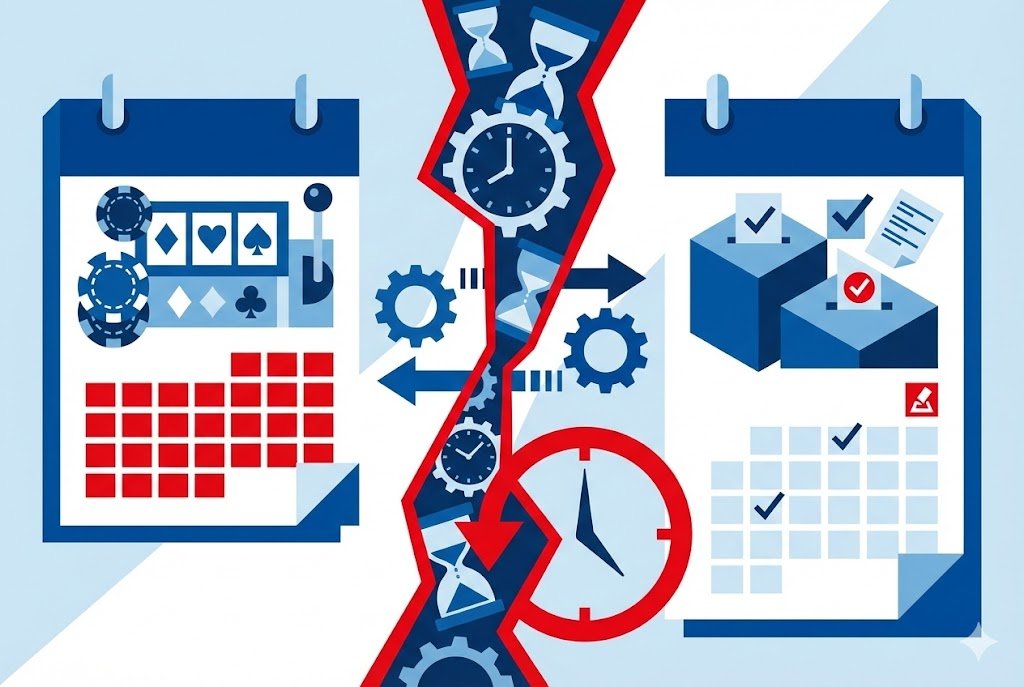
Governing coalition members fear gambling companies will launch intensive advertising campaigns immediately after liberalization. One industry observer described the expected scenario as a "marketing tsunami" hitting voters months before they choose their next government.
The irony runs deep. Broad cross-party consensus supports the reform - even the opposition Social Democratic Party, currently leading polls at 24.4%, backs liberalization. Yet the National Coalition Party, part of the governing coalition, is reportedly pushing to delay implementation until June or July 2027.
Interior Minister Mari Rantanen officially maintains the January timeline. But technical readiness concerns provide convenient political cover. Questions persist about whether electronic licensing systems will be operational, and whether the new Finnish Supervisory Agency - launching January 2026 - can handle enforcement responsibilities.
Industry consultant Jari Vähänen puts it bluntly: politicians fear gambling marketing will increase so much that public opinion turns against reform before elections.
A few months' delay probably won't matter long-term. But the episode reveals how easily political calculations can derail regulatory timelines - something operators everywhere should note when planning market entries.
Lessons from Nordic Neighbors
Sweden liberalized in 2019, providing Finland's most relevant benchmark. The results are mixed at best.
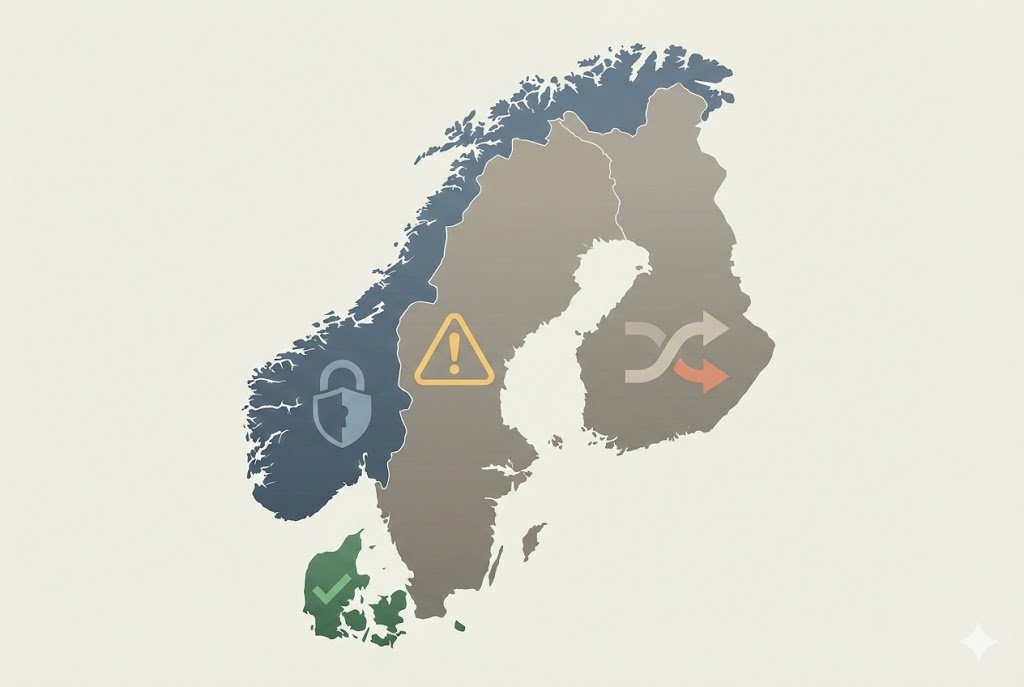
The Swedish government targets 90% channelization. Actual rates hover around 85% by regulatory measurements, with independent assessments placing the figure closer to 72-77%. Sports betting achieves impressive 92-96% channelization, but online casino - the product category with highest margins - sees roughly a quarter of activity leaking to unlicensed operators.
Survey data explains why players go offshore: 35% believe winning chances are better at unlicensed sites (they're wrong, but perception matters), 23% are blocked via Sweden's Spelpaus self-exclusion system but continue gambling elsewhere, and 21% explicitly seek better bonus offers unavailable from licensed operators.
Denmark's 2012 liberalization offers a more optimistic model. The Danish Gambling Authority reports channelization between 90-91.5%, achieved partly through a dialogue-based regulatory approach - working openly with operators rather than imposing punitive restrictions. However, new measures including whistle-to-whistle advertising bans have industry leaders worried Denmark may follow Italy's path of regulatory overreach.
Norway maintains its Norsk Tipping monopoly but faces intensifying pressure. The Conservative Party added gambling liberalization to its September 2025 election platform. If they win, Norway could liberalize by 2028. Finland's reform accelerates this pressure - having a neighbor with open markets makes monopoly systems harder to justify.
Veikkaus Fights for Survival
The former monopolist faces transformation or irrelevance.

Under the new structure, Veikkaus splits into two entities. A monopoly division retains 10-year exclusive rights for national lottery, physical slot machines, and land-based casinos. A competitive division seeks licenses for online betting and casino under identical rules as private operators.
The competitive challenge is brutal. Veikkaus spent decades without meaningful competition. Its technology, marketing capabilities, and organizational culture all reflect monopoly comfort. Now it must compete against companies that have fought for customers across dozens of markets.
The company holds advantages: 2.5 million registered customers, 4,000+ retail points, decades of brand recognition. But can it innovate fast enough? New iGaming EVP Jarkko Nordlund acknowledged the stakes: "Everyone is waiting for Veikkaus to fail."
Strategic investments include a new sports betting platform launched May 2025 and hiring talent from competitors. But workforce restructuring continues - up to 240 jobs at risk in 2023, further cuts in 2025. Whether Veikkaus emerges as a competitive operator or slowly fades depends largely on execution over the next 18 months.
What This Means for Players
Finnish players gain meaningful choices for the first time. Instead of one state operator, they'll access dozens of licensed alternatives competing on product quality, odds, and user experience.
However, the regulatory framework prioritizes protection over convenience. Mandatory identity verification before any gambling. Pre-set deposit limits (daily and monthly). Maximum €20,000 account balances. Hourly time-of-play reminders. A deposit blackout period from midnight to 6 AM.
Players accustomed to anonymous casinos or minimal friction won't find that in Finland's licensed market. The question is whether these restrictions feel protective or patronizing - and whether players accept them or simply migrate offshore.
One clear benefit: player winnings from licensed operators remain tax-exempt. Winnings from unlicensed sites become taxable income. That's a genuine incentive to stick with regulated options.
Enforcement Remains the Wild Card
The new Finnish Supervisory Agency launches January 2026, a full year before market opening. In theory, this provides time to build enforcement capabilities. In practice, skeptics abound.
Industry expert Antti Koivula warns: "I foresee nothing but enforcement challenges. The enforcement toolbox provided to the regulator is highly insufficient for tackling black market operators."
University of Helsinki researcher Janne Nikkinen is more specific: "Finland does not include payment blocking, website blocking, DNS blocking... I believe leakage to the black market will continue, and that we'll need to revise the law again by 2029 or 2030."
Sweden's experience suggests enforcement alone cannot achieve channelization targets. Market attractiveness must balance consumer protection. Finland's exceptionally strict marketing restrictions may undermine this balance from day one.
The Bigger Picture
Finland's reform marks more than a national policy shift. It ends the European monopoly era.
When this market opens - whether January or summer 2027 - Finland becomes the final EU member state to adopt multi-licensing for online gambling. The philosophical argument that government monopolies protect players better than regulated competition has lost its last major European champion.
What replaces it matters. Finland is attempting a synthesis: Sweden's tax structure, stricter-than-Denmark marketing rules, comprehensive responsible gambling requirements. If this combination achieves high channelization while limiting gambling harm, it becomes the new template. If it fails, regulators worldwide face harder questions about whether any framework can balance consumer protection with market viability.
Three factors determine success. First, whether the election delays genuinely push market opening or just create uncertainty. Second, whether Finland's advertising restrictions prove sustainable or require pragmatic loosening within years. Third, whether Veikkaus transforms into a competitive operator or watches international entrants capture the market it once controlled exclusively.
The Nordic gambling landscape keeps evolving. Norway watches Finland while its own liberalization debates intensify. Sweden contemplates regulatory revisions as its 2019 framework shows strain. Denmark tightens restrictions, risking the channelization success that made it a model.
Finland enters this environment as both student of neighbors' mistakes and potential teacher for future reforms. For players and operators alike, the next two years will reveal whether Europe's strictest new market can actually work.