Google Is Squeezing Gambling Affiliates From Both Sides
December 1, 2025 wasn't just another Monday for horse racing affiliates. It was the day Google revoked every single aggregator certification and permanently closed applications - no warning, no transition period, no appeals. If you ran ads promoting racebooks, tipster services, or comparison sites, you woke up to a suspended account.
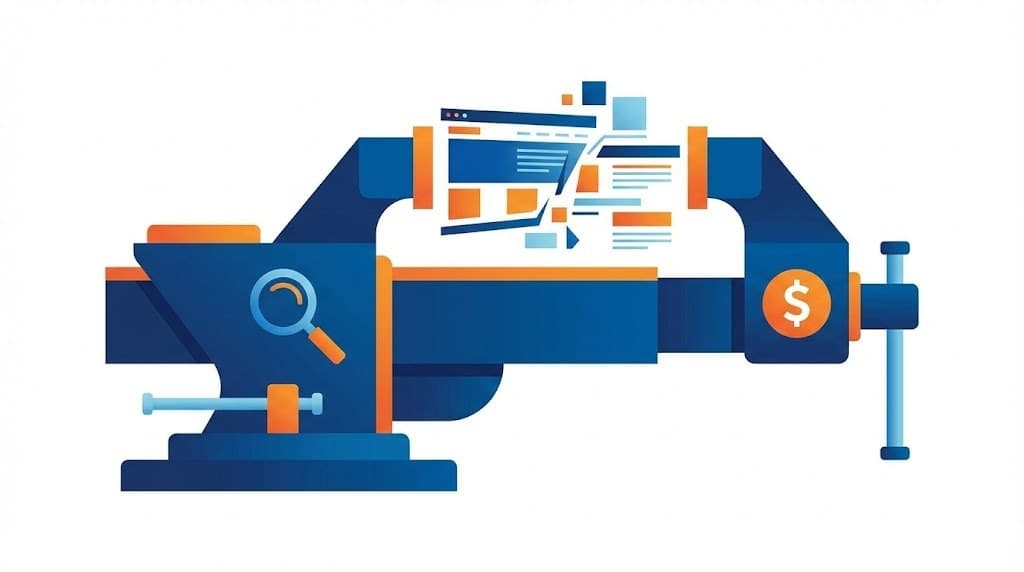
That ban is just the latest move in Google's systematic campaign to push gambling affiliates out of paid advertising. And it's happening while AI Overviews simultaneously cannibalize the organic traffic that generates over half of iGaming revenue. The industry's two main acquisition channels are being squeezed at the same time.
The financial damage is already showing up in earnings reports. Gambling.com Group slashed 2025 revenue guidance to approximately $165 million, blaming "poor organic search dynamics." Catena Media took a €16.5 million impairment charge. Stock prices have cratered. And the response from industry veterans? No one is buying affiliate businesses right now.
The Horse Racing Ban Sets a Precedent
Google's December policy eliminates an entire affiliate category overnight. The ban covers aggregators providing information about multiple horse racing betting services, tipster platforms offering betting advice, and third-party promoters - essentially any affiliate-style page promoting online racebooks.
Licensed operators who directly accept bets under state pari-mutuel laws can still advertise. Everyone else is out. Google classifies gambling policy infractions as "egregious violations," meaning immediate account suspension without prior warning.
The timing makes this particularly brutal. Google only started accepting online horse racing ads in February 2023 for Maryland, Pennsylvania, West Virginia, and Virginia - including aggregators. Affiliates who invested in building those campaigns just watched their work evaporate.
What's the precedent here? Google demonstrated it can eliminate affiliate advertising categories without transition periods. Horse racing affiliates are wondering if sports betting or casino aggregators might be next.
2025's Policy Changes Created a Gauntlet
The horse racing ban caps a year of systematic tightening. February 2025 brought sweeping certification changes that took effect in April: website-specific certification limiting approval to exact domains, more thorough license verification against official databases, and requirements to notify Google if licenses are suspended or revoked.
October delivered another blow when Google reclassified sweepstakes casinos from social games to gambling. That single policy addition - stating sweepstakes casinos aren't social casino games - effectively bars most sweepstakes operators from Google Ads unless they obtain full gambling licenses.
November expanded offline gambling advertising restrictions to 42 countries, doubling the banned list. Australia applications were paused entirely in August. Online gambling advertising remains restricted to approximately 55 approved countries with extensive documentation requirements.
The pattern is clear: Google is making it harder to advertise gambling content every few months.
AI Overviews Are Eating Organic Traffic
While Google restricts paid channels, AI is transforming organic search. AI Overviews now appear in over 35% of U.S. Google desktop searches. When they show up, position-one click-through rates drop by 34.5%. Zero-click searches increased from 56% to 69% between May 2024 and May 2025.
For gambling affiliates specifically, the numbers are worse. One case study documented a sports betting affiliate losing 41% of organic traffic within 25 days of Google's March 2025 core update. An anonymous affiliate operator told iGB Affiliate that organic traffic from Google is "in freefall, maybe 50% down year-on-year."
The long-term concern goes beyond current algorithm changes. One industry veteran put it bluntly: Gen Z and Alpha won't use Google - they'll only use AI chat. The affiliate model built on ranking for "best online casinos" faces an existential question about whether those searches will even exist in five years.
There's a potential buffer, though. The sensitive nature of gambling queries makes it difficult for Google to implement AI Overviews in iGaming. Surfacing AI-generated answers that inadvertently promote offshore or crypto casinos could create legal complications for Google. But that's cold comfort when traditional search rankings are already collapsing.
The Numbers Tell the Story
Gambling.com Group's November guidance revision quantifies the damage. Revenue expectations dropped from $170-174 million to approximately $165 million. EBITDA guidance fell from $67-69 million to approximately $58 million. CEO Charles Gillespie attributed the cut directly to "continued headwind of poor organic search dynamics."
The stock response was brutal - down 20-26% in premarket trading. Shares now trade around $5.40, down over 70% from the 52-week high of $17.14. BTIG downgraded to Neutral, warning that with search still representing 35-40% of revenue, "there is room for further negative revisions."
Catena Media's Q3 2025 included a €16.5 million impairment charge - €10.5 million on North American sports assets and €6.0 million on Asia-Pacific casino assets. This follows €40 million in impairments from Q3 2024. Year-to-date revenue declined 21% while new depositing customers dropped 36%. The company cut headcount by 25% in Q2.
CEO Manuel Stan acknowledged uncertainty: "The effects of artificial intelligence on SEO remain uncertain and challenging to predict." That's about as cautious as public company executives get.
What the Survivors Are Doing
The listed affiliates are racing to reduce Google dependence. Gambling.com Group's most dramatic move is pivoting toward sports data services through OpticOdds, OddsJam, and RotoWire. That segment grew over 300% year-over-year and now represents roughly a quarter of revenue. Management expects non-SEO channels to generate more revenue than SEO for the first time in Q4 2025.
Gillespie emphasized that "traditional search is becoming less central to our digital marketing strategy." Contributions from apps, email, social media, and paid media are "growing in terms of orders of magnitude, not incremental percentages."
Better Collective completed a €50 million cost savings program and laid off over 300 employees - 15% of workforce - in October 2024. Catena Media cut headcount 25% and launched a sub-affiliation platform, though at lower gross margins.
The alternative traffic channels being pursued include native mobile apps, email marketing to owned audience databases, social media and influencer partnerships, and programmatic paid media across networks beyond Google. Reports suggest 69% of gambling enthusiasts trust influencer recommendations - making that channel particularly attractive.

But not everyone can pivot. An anonymous affiliate operator told iGB Affiliate: "If you don't own the audience end to end, you're exposed." Another veteran noted that when you search "best online casinos" today, you get three affiliates, Trustpilot, and four operators instead of ten affiliate sites. Seven affiliates lost clicks they used to get.
Missouri Offers a Bright Spot
The December 1 launch of online sports betting in Missouri - the 39th state to legalize - provides rare new-market opportunity amid the disruption. Voters approved Amendment 2 in November 2024 by approximately 7,500 votes. Eight sportsbooks launched at market opening: FanDuel, DraftKings, BetMGM, Caesars, bet365, Fanatics, Circa Sports, and theScore Bet.
Gambling.com Group projects $3.88 billion in handle for Missouri's first operating year and positioned early, launching BetMissouri.com in 2022. Missouri represents the first major online sports betting launch since March 2024, giving affiliates access to customer acquisition in a virgin market.
The timing creates an interesting dynamic. Major affiliates are pivoting away from Google dependence just as a new state opens. Those with diversified acquisition channels and existing brand recognition in sports betting have advantages that pure-SEO plays can't match.
Where This Goes From Here
Google's 2024-2025 gambling advertising changes represent the most significant policy overhaul in over a decade. The horse racing affiliate ban's instant enforcement signals willingness to eliminate entire affiliate categories overnight. The question isn't whether more restrictions are coming - it's which vertical gets targeted next.
The era when affiliates could build sustainable businesses primarily on Google traffic and Google Ads appears to be ending. Well-capitalized affiliates with diversified assets can navigate the transition. Everyone else faces a brutal math problem: diversify fast enough or watch the business collapse.
As one industry veteran summarized the situation: "To maintain rankings, every day affiliates have to wake up and try and beat the internet."