He Won £9.7 Million at 19. Eight Years Later, He Was Homeless.

Michael Carroll collected his lottery check wearing an electronic ankle tag. That image-a grinning teenager in a tracksuit, freshly minted millionaire with a criminal record-became the defining photo of Britain's most infamous jackpot winner. What followed was a masterclass in self-destruction that still serves as the gambling world's most vivid cautionary tale.
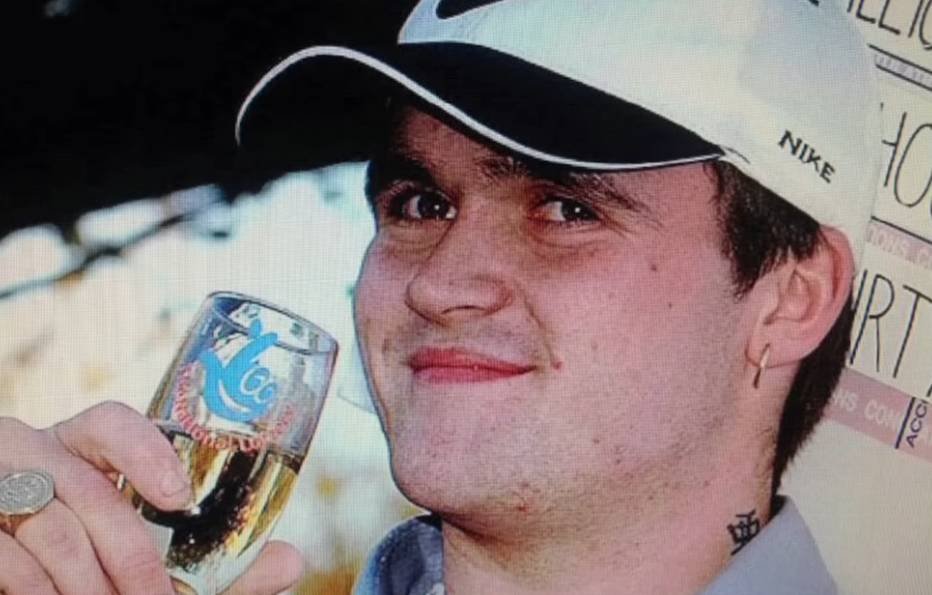
In November 2002, Carroll was a part-time garbage collector earning £42 per week in jobseeker's allowance. He had 42 criminal convictions, no bank account, and a pregnant girlfriend. On a whim, he bought two Lucky Dip tickets for £1 each. The numbers 5, 28, 32, 39, 42, and 48 matched perfectly.
By 2013, he was sleeping in Scottish woods, officially bankrupt.
From Chaos to Millions Back to Chaos
Carroll's childhood reads like a script for disaster. His father went to military prison for 11 years when Michael was 18 months old. He bounced between his mother and abusive stepfathers. At 13, he received his first custodial sentence for shoplifting-where, ironically, he finally learned to read and write. Before turning 18, he'd accumulated dozens of offenses: driving without a license, assaulting a police officer, breaking into phone boxes.
The £9.7 million landed in the lap of someone spectacularly unequipped to handle it. Coutts bank, recommended by lottery operator Camelot, refused to open an account due to his criminal record. He eventually found a bank willing to take his money. His restraint lasted approximately four weeks-the time it took to fly to Jamaica.
Then the spending began.
£2,000 a Day on Cocaine, £1,000 on Prostitutes
Carroll's morning routine during his peak years: three lines of cocaine and half a bottle of vodka before getting out of bed. He developed a £2,000-per-day drug habit that lasted roughly two years, supplemented by £1,000 daily on sex workers. He claims to have slept with over 4,000 women and threw parties he described as "Roman-style orgies" costing up to £50,000 per night.
His mansion, a five-bedroom property called The Grange in Swaffham, became ground zero for chaos. He spent £400,000 on renovations including a swimming pool-then built a private demolition derby track on the grounds. He'd crash cars into each other while burning vintage vehicles in bonfires. The beautiful estate transformed into a wasteland of wrecked metal and debris. Local council established a special hotline for neighbors to report complaints.
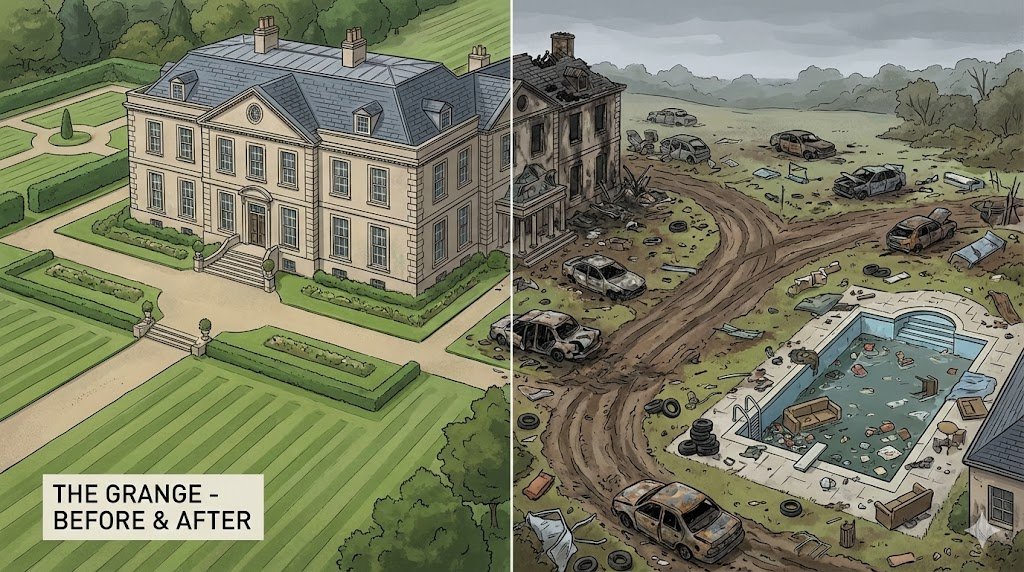
The vehicle collection reached somewhere between 40 and 80 cars at its peak: BMW M3s, a Range Rover, Mercedes-Benz sedans and vans (one emblazoned with "King of Chavs"), Mitsubishi Evos. Many were purchased specifically to be destroyed in his backyard races.
Within days of winning, Carroll gave away approximately £1 million-£4 million each to his mother, aunt, sister, and girlfriend's mother. He later reflected he should have capped gifts at £250,000. He also spent £90,000 on bail bonds for drug-using friends and paid £130,000 to blackmailers who killed five of his Rottweilers.
The Legal Troubles Multiplied
Money didn't solve Carroll's problems with authority. It amplified them.
In 2005, he received an Anti-Social Behaviour Order after drunkenly catapulting steel ball bearings through 32 car and shop windows from his Mercedes van. In 2006, he served nine months for affray-he and three friends armed with baseball bats had burst into a Christian rock concert, injuring two attendees. He was caught driving at four times the legal limit. He appeared in court more than 30 times.
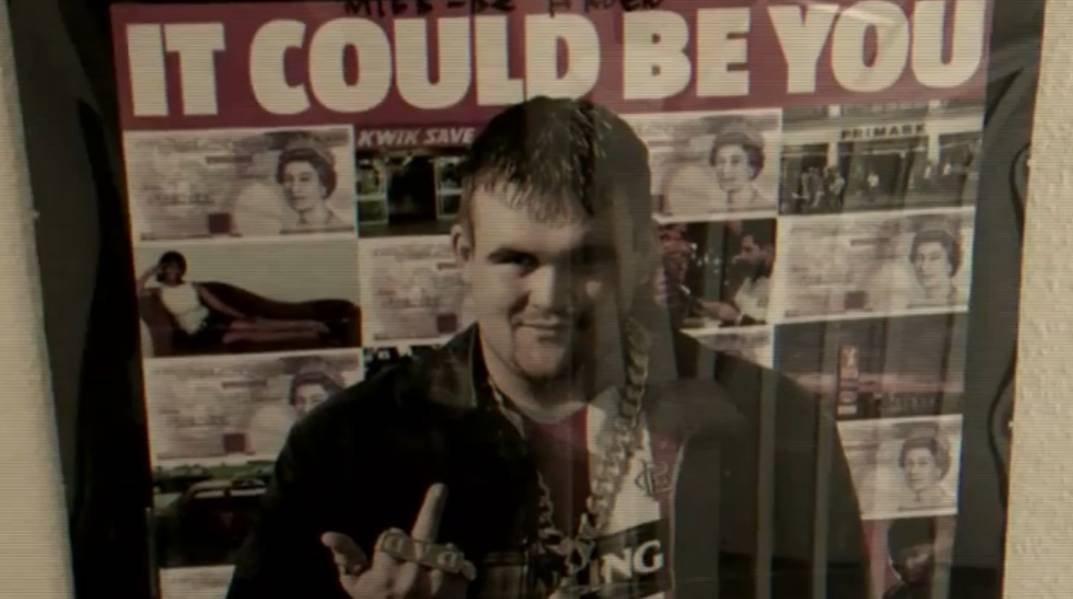
His own aunt told his lawyer that the lottery win was "the worst thing that ever happened to him."
His marriage to Sandra Aitken, who'd been pregnant during the win, collapsed amid the drug binges and infidelity. She left, later explaining her husband "thought he was a big shot" and surrounded himself with hangers-on while "frittering away £10 million on drink and drug binges and cheating on me with prostitutes." Their 2008 divorce cost him £1.4 million.
The Money Vanished Faster Than Anyone Expected
By September 2003-less than a year after winning-Carroll was already living off investment bonds. By 2005, his accountant warned he was down to his last million. By mid-2006, he was "almost broke."
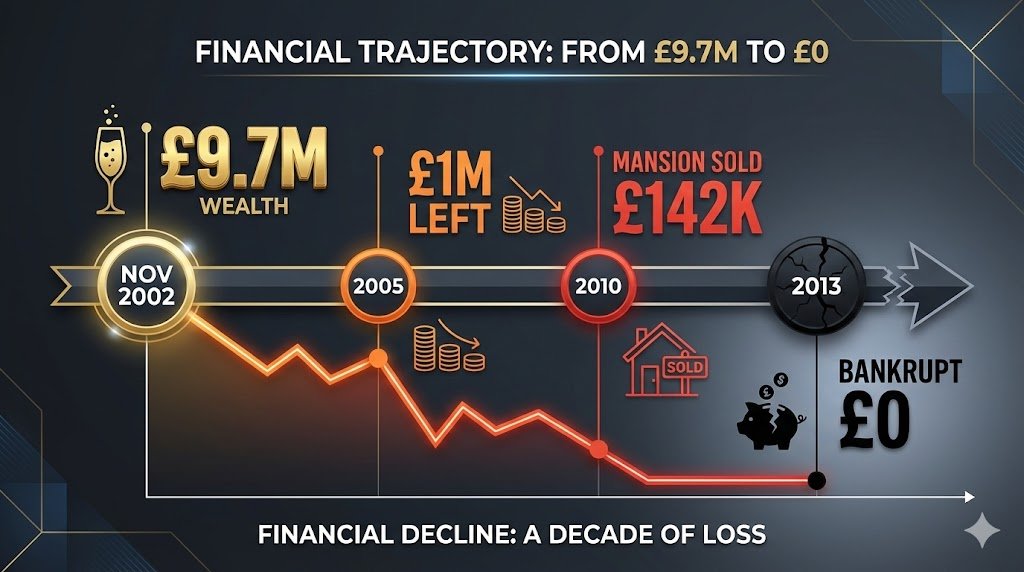
The Grange mansion, into which he'd sunk £740,000, sold at auction in 2010 for just £142,000. After fees and his ex-wife's 50% claim, Carroll walked away with £63,000. His £1 million investment in Rangers FC evaporated when the club entered administration in 2012.
He declared bankruptcy in February 2013. For three months, he was homeless, camping in woods near Elgin, Scotland, staying in what he called "a hotel for homeless people-a dive, but had food and beer."
In May 2010, he applied for his old job as a garbage collector. The headlines practically wrote themselves.
Life After Millions
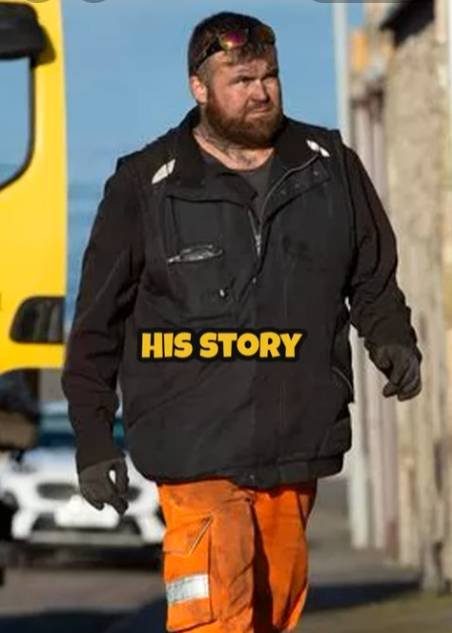
Carroll found work at a biscuit factory packing shortbread for £204 per week. He later worked at a slaughterhouse for five years, then as a coalman earning £10 per hour delivering coal and firewood seven days a week. Today, at 41, he lives in a one-bedroom council flat in Elgin, Scotland, working at a quarry. His most valuable possession is reportedly an Xbox.

He cycles everywhere, having lost his license. He claims sobriety since 2013 and boasts he hasn't been arrested in over 12 years.
The most remarkable twist: he and Sandra reconciled. They remarried in October 2021 in Belfast, a small private ceremony. A friend reported he'd "calmed down a lot" and was "living quite a nice wee life and working hard."
No Regrets-Or So He Claims
Carroll's philosophy remains stubbornly unrepentant. "It didn't go wrong-it was the best 10 years of my life for a pound," he told reporters. "People often say to me, what does it feel like to have lost all that money? I tell them I didn't lose it... I spent it!"
When asked if he regrets not saving for his daughters, he responded flatly: "No. They'll have to work for what they get." One daughter reportedly joked: "I know where you spent all the money-cocaine and hookers."
His advice to future winners: "Don't trust anyone, not even your f***ing family."
He still occasionally plays the lottery. If he won again? "I'd be down the yard at six every morning just to keep out of trouble."
The Pattern Nobody Wants to Acknowledge
Carroll's trajectory isn't unique. Callie Rogers won £1.875 million at 16 in 2003, blew it on cocaine and breast augmentations, filed bankruptcy in 2021, and attempted suicide twice. Keith Gough won £9 million in 2005, drank himself into rehabilitation, was defrauded of £700,000, and died of an alcohol-induced heart attack at 58. His final words to strangers: "I advise them not to buy a lottery ticket."
The widely-cited claim that 70% of lottery winners go bankrupt is actually unverified-the National Endowment for Financial Education formally disavowed it. But research from the CFP Board confirms approximately one-third of winners eventually declare bankruptcy, at rates higher than the general population.
For players chasing life-changing jackpots at online casinos or through lottery tickets, Carroll's story offers uncomfortable questions. Would you handle sudden wealth any better? Do you have the financial literacy, the support network, the self-control? Most people believe they would. The evidence suggests otherwise.
Carroll himself seems genuinely happier now-remarried, sober, employed, scandal-free. Whether that contentment is wisdom or rationalization depends on your perspective. What's undeniable: £9,736,131 lasted less than a decade. The man who spent it now earns £10 an hour and insists he wouldn't change a thing.
Maybe he's lying to himself. Or maybe, for someone who grew up in chaos, a quiet life in Scotland really is the jackpot.
This article is based on publicly available information from UK press reports and court records. Michael Carroll has spoken extensively about his experiences in interviews with The Sun, Daily Mail, LADbible, BBC, and other publications, and published his own account in the 2006 book "Careful What You Wish For." All facts presented here are sourced from these public records and his own statements.