NCLGS Model Law: A Blueprint for US Online Casino Expansion

Zero states legalized online casinos in 2024. Maryland came closest - the bill passed the House, then died in the Senate over a 55% tax rate that operators called unworkable. Meanwhile, the seven states with legal iGaming kept raking in billions. New Jersey alone generated over $2 billion in online casino revenue last year.
The other 43 states? Still watching from the sidelines.
That might change. In late November, the National Council of Legislators from Gaming States released something the industry has been waiting for: a ready-made template for online casino legislation. It's called the Model Internet Gaming Act, and it could reshape the US iGaming landscape starting in 2025.
Why a Model Law Matters
Here's the problem with iGaming legalization in America: every state starts from scratch. Legislators spend months (sometimes years) drafting bills, debating tax rates, fighting over licensing structures. Maryland's failed attempt is a perfect example - lawmakers couldn't agree on basic economics.
NCLGS wants to fix that.
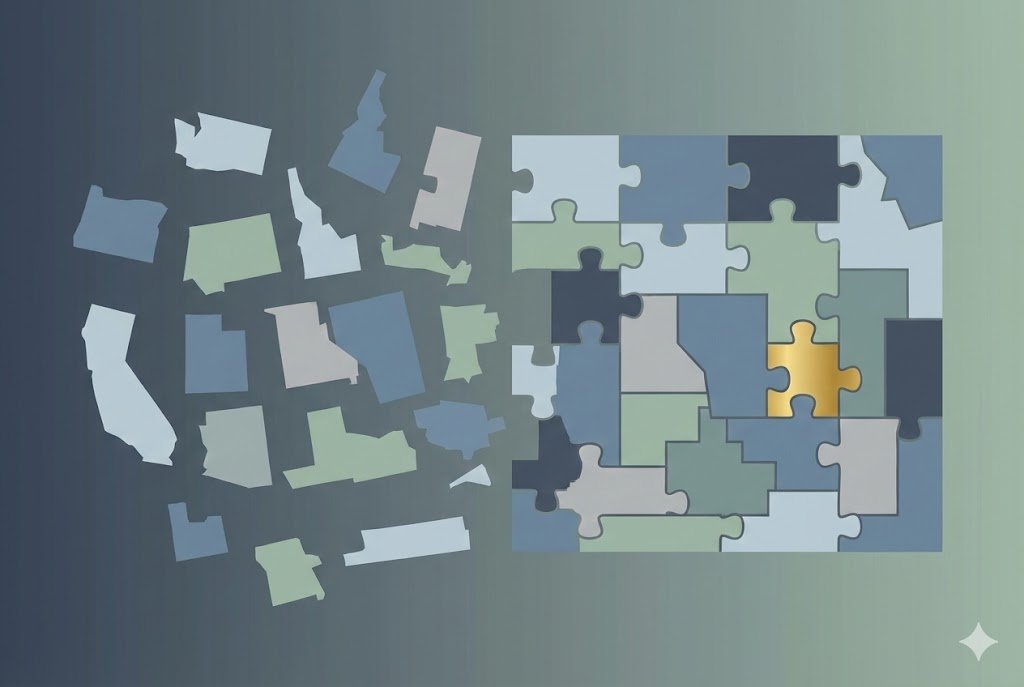
The organization brings together state legislators from across the country who deal with gaming policy. Their new Model Internet Gaming Act isn't meant to be copied word-for-word. Instead, it's a framework - a starting point that states can adapt to their specific needs.
"As a legislator, I fully understand the complexities of getting legislation across the finish line," said NCLGS President Shawn Fluharty, a West Virginia delegate. His state is one of the seven where online casinos are already legal.
The document took longer than expected. Fluharty had hoped to release it by August, but coordinating lawmakers across the country proved difficult. The final draft came out November 26, with public comments open until December 31. A vote on adoption is scheduled for early 2025.
One interesting detail: the UK Gambling Commission contributed to the draft. Tim Miller, the Commission's executive director, said he was "delighted to share the UK's experiences of regulating the online market."
What the Model Law Actually Proposes
Taxes and Licensing
The recommended tax rate sits between 15% and 25% of gross gaming revenue. That's significantly lower than Maryland's failed 55% proposal and closer to the 19% average across the six smaller legal states (excluding Pennsylvania's outlier 36% rate).
Why does this matter for players? Lower taxes mean operators have more room to offer competitive bonuses and better RTPs. When states set rates too high, that cost gets passed down.
The model also suggests fast-tracking license applications for companies that already hold sports betting licenses in good standing. Operators would be allowed to run multiple brands under one license - a structure already used by companies like Caesars Digital.
Sweepstakes: End of the Gray Zone
This is where the model law gets aggressive.
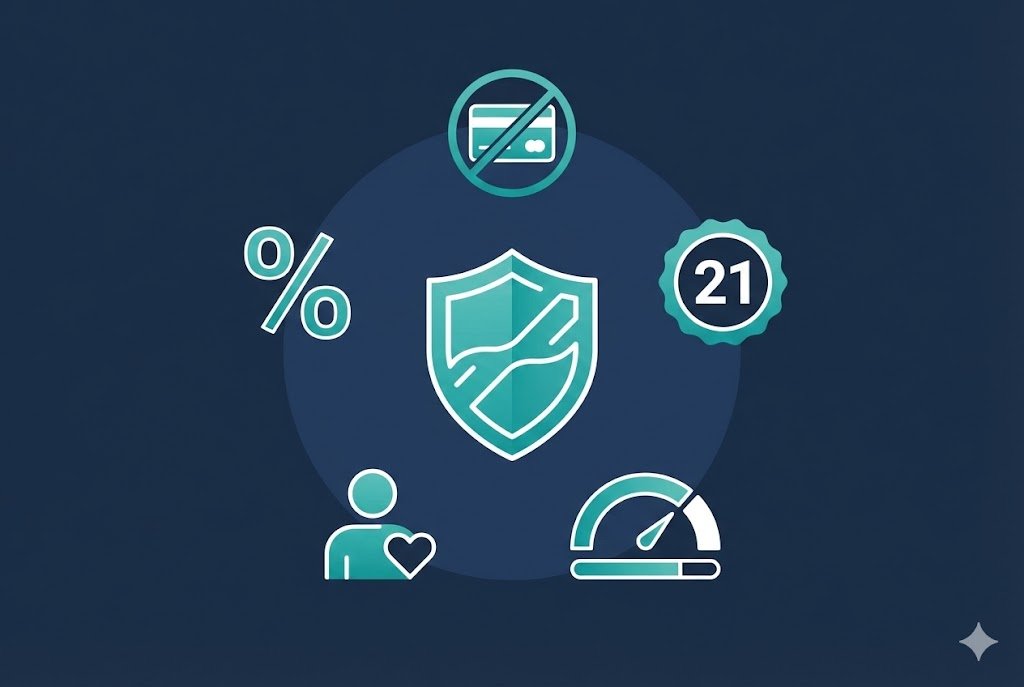
Sweepstakes casinos have operated in a legal gray area for years, generating billions in revenue while avoiding gambling regulations and taxes. The model law defines them explicitly: any online game using a dual-currency system that simulates casino games and allows prizes to be exchanged for cash.
Under the proposed framework, operating a sweepstakes casino would bring fines of $10,000 to $100,000 per violation. Repeat offenders could face license revocation and up to two years in prison.
Some in the industry think those penalties are too light for what's become a multi-billion dollar market. But the mere existence of this language gives states a template to crack down.
Which States Could Move Next?
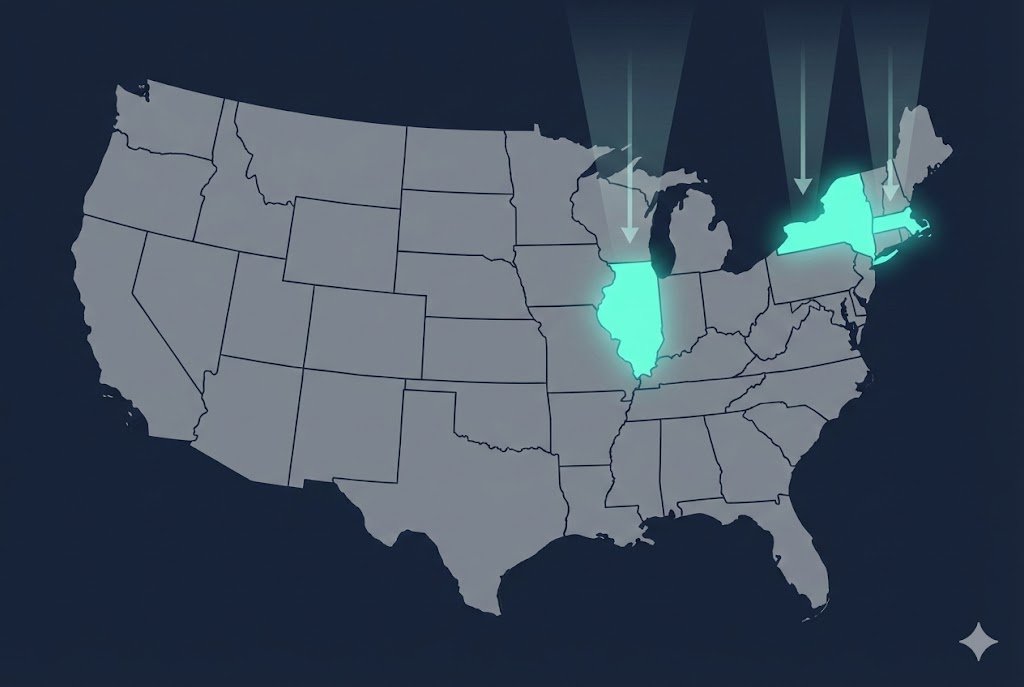
Illinois
Governor J.B. Pritzker has publicly endorsed online casino legalization as a way to address a $3 billion budget hole. Companion bills (SB1963 and HB3080) were filed in early 2025. The obstacle? Fierce opposition from the video gaming terminal industry, which fears competition.
Illinois Attorney General Kwame Raoul recently predicted the state will legalize online casinos "at some point." The question is whether that happens in 2025 or later.
New York
Senator Joseph Addabbo has championed iGaming for years. His latest bill, S2614, estimates $1 billion in annual tax revenue for the state. New Yorkers currently cross into New Jersey to gamble online legally - money that could stay in-state.
The holdup: New York is focused on licensing three new downstate casinos first. Online expansion likely comes after.
Massachusetts
The state has been on a gaming expansion streak - sports betting launched in 2022, internet lottery is coming in 2026. Multiple online casino bills are active, with estimates projecting $250 million in annual tax revenue.
Massachusetts might actually be the best bet for near-term legalization.
The 2026 Factor
Industry veterans suggest 2025 might not be the breakthrough year. Federal Covid relief funds haven't fully run dry, so states aren't desperate for new revenue yet. But 2026? That's when the financial pressure kicks in.
When sports betting was legalized state-by-state after the 2018 PASPA repeal, the dominoes fell quickly once a few states proved the model worked. iGaming could follow the same pattern - just slower.
What Players Should Know
If you're in one of the seven legal states, nothing changes immediately. But if you're waiting for online casinos in Illinois, New York, or Massachusetts, the NCLGS model law is a positive sign.
For sweepstakes casino players, the writing is on the wall. Multiple states are already moving to ban or regulate these platforms. The model law gives legislators ready-made language to do exactly that.
The question isn't whether more states will legalize online casinos. It's when. And NCLGS just handed them the roadmap.