Seven European Countries Just Declared War on Illegal Gambling
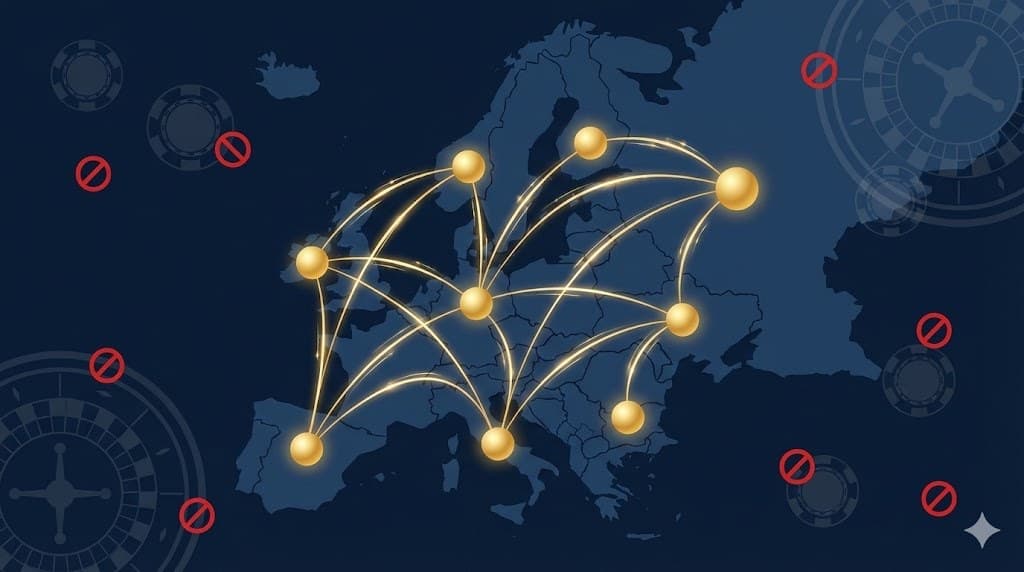
Gambling regulators from seven European countries have stopped pretending they can fight offshore casinos alone. On November 25, the UK Gambling Commission published a joint statement from Austria, France, Germany, Italy, Portugal, and Spain committing to coordinated enforcement against unlicensed operators.
The timing matters. This alliance emerged just days before the UK announced one of the most aggressive gambling tax increases in any major market – and while Spain handed €30 million in fines to six illegal operators in a single week.
The Problem: €80 Billion in Illegal Revenue
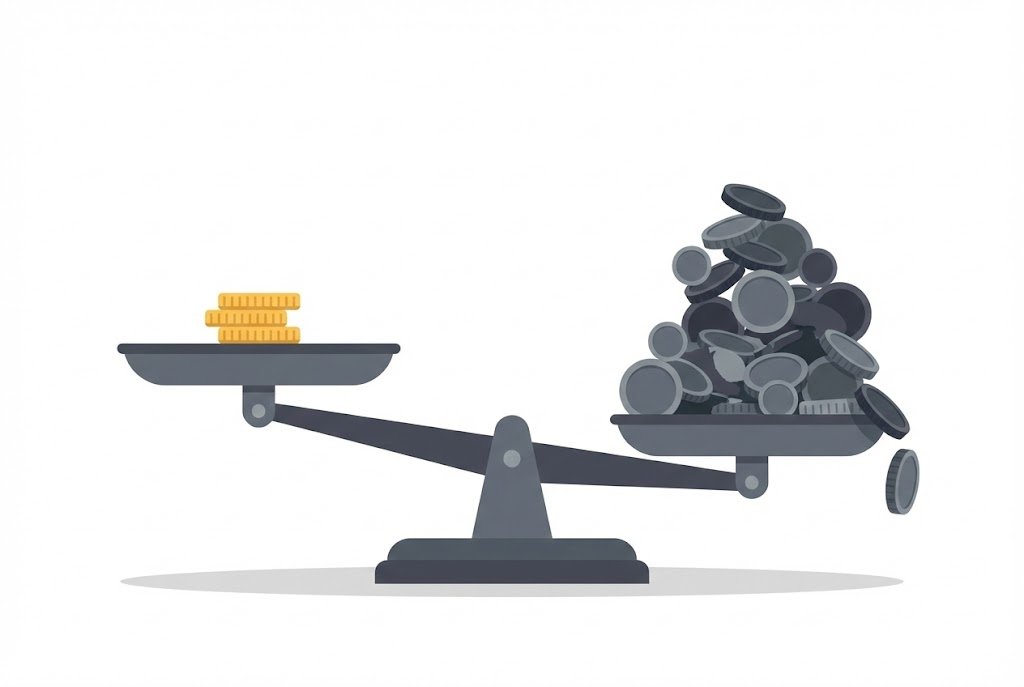
A recent report from the European Casino Association and intelligence firm Yield Sec reveals the scale of what regulators are fighting. Unlicensed gambling operators now control 71% of the EU's online market, generating an estimated €80.6 billion in gross gaming revenue. That's more than double the €33.6 billion earned by legal operators.
The numbers get worse. Over 6,200 illegal operators are actively targeting EU consumers. Around 81 million Europeans – roughly 18% of the population – interacted with illegal gambling services in 2024. And governments lost an estimated €20 billion in tax revenue to these unregulated platforms.
For every euro earned by a licensed operator, unlicensed competitors made €2.40.
What the Seven Countries Actually Agreed To
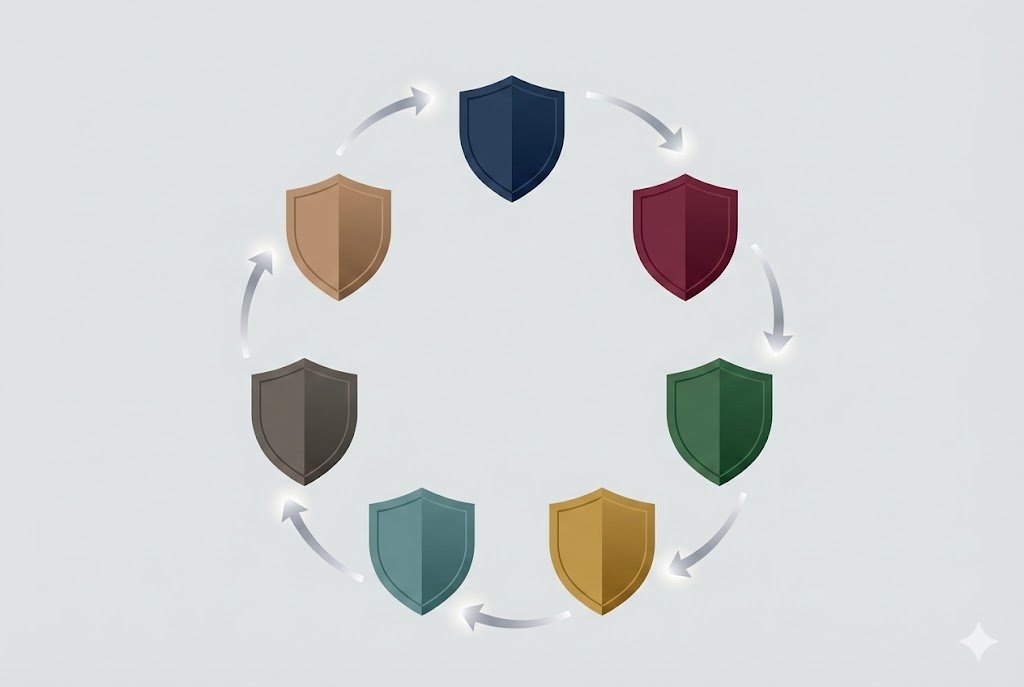
The joint statement outlines three main commitments. First, the regulators will share information on illegal operators across borders. Second, they're calling on digital platforms and social media networks to strengthen controls against illegal gambling advertising. Third, they'll exchange best practices for identifying, investigating, and sanctioning unlicensed operators.
The meeting that produced this agreement was held on November 12 at Spain's Directorate General for Gambling Regulation (DGOJ) – and Spain immediately demonstrated what coordinated enforcement looks like.
Within days, the DGOJ announced €30 million in fines against six unlicensed operators: XYZ Entertainment, Moonrail Limited, EOD Code SRL, Samaki, Lone Rock Holdings, and Novaforge. Each received a €5 million penalty plus mandatory domain blocking. This brings Spain's 2025 enforcement total to €111 million across 58 sanctions.
Since a regulatory reform in July 2021, Spain has now imposed €496 million in fines through 212 separate sanctions. But the DGOJ isn't only targeting illegal sites. Licensed operators including 888, Betfair, and Codere also received penalties totaling €3.5 million for technical and responsible gambling violations.
The Paradox: Higher Taxes May Feed the Black Market
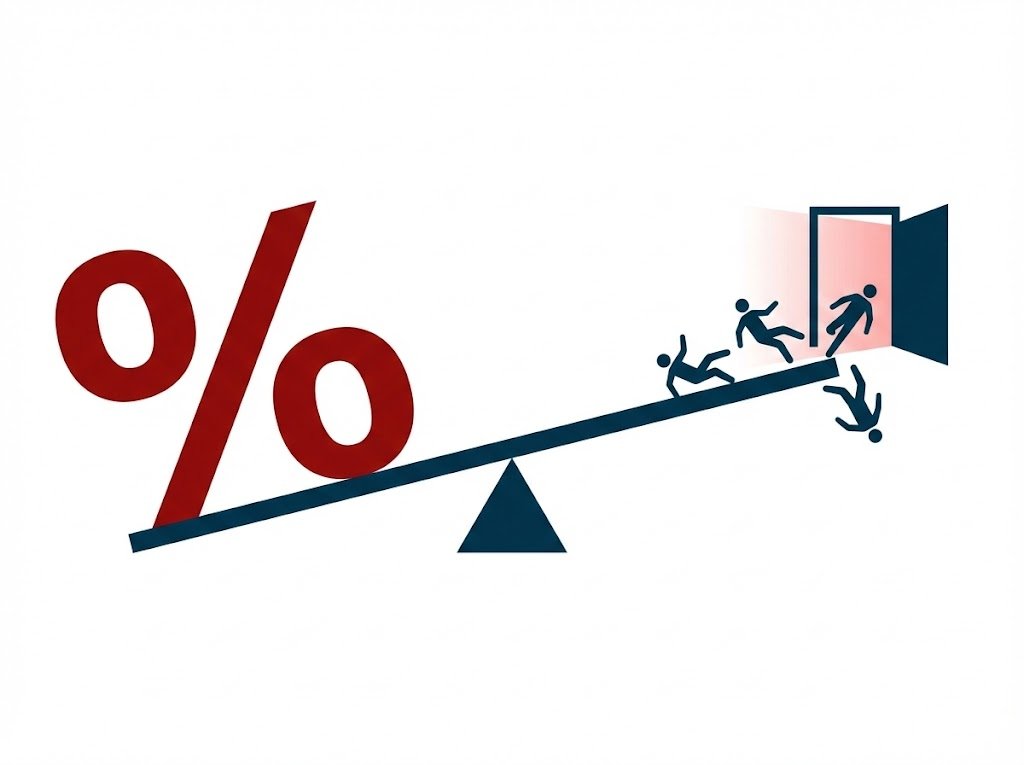
Here's where things get complicated. The same week this anti-illegal gambling alliance went public, the UK announced remote gaming duty will jump from 21% to 40% in April 2026. Online betting rates rise from 15% to 25% in April 2027.
The Betting and Gaming Council – representing major operators like Flutter, Entain, and Evoke – called it "a massive win for the incredibly harmful, unsafe, unregulated gambling black market."
BGC CEO Grainne Hurst argued that higher taxes force licensed operators to offer worse odds and fewer bonuses. Players notice. Some migrate to offshore sites that don't face the same costs.
The Netherlands provides a cautionary tale. After raising its gambling tax from 29% to 34.2% in January 2025, Dutch regulators faced an estimated €200 million revenue shortfall as engagement with the regulated market dropped 25%. Germany's situation is even more stark – an estimated 60-80% of online slot activity now occurs on unlicensed sites after the country implemented turnover-based taxation.
Research suggests the sweet spot for gambling taxes sits between 15-20% of gross gaming revenue. Above that threshold, channelisation rates decline and players drift toward unregulated alternatives.
What This Means for Players
If you're gambling with European operators, expect three things.
More payment blocks. Cross-border information sharing means illegal operators will face faster payment processing disruptions. Banks and payment providers typically cooperate with regulatory requests, and coordinated enforcement makes those requests harder to ignore.
Advertising changes. The alliance specifically calls out digital platforms. Google already reclassified sweepstakes casinos as gambling in October 2025, blocking them from its lighter "social casino" advertising tier. Similar pressure on Meta and other networks seems likely.
Licensed operators aren't necessarily "safe." Spain's enforcement actions show regulators are equally willing to fine licensed companies for technical failures, player protection lapses, and responsible gambling violations. Having a licence means accountability – not immunity.
The Real Question

This alliance represents the most significant coordinated regulatory action against illegal gambling in European history. But it arrives alongside tax policies that the industry argues will push more players toward the very sites regulators are trying to eliminate.
The Yield Sec report noted that 92% of all gambling content visible to EU users originates from illegal sources. Licensed operators, constrained by advertising rules and compliance costs, struggle to compete with platforms offering unrestricted bonuses and anonymous payments.
Whether coordinated enforcement can shrink the black market faster than high taxation expands it remains unclear. What's certain is that European regulators have stopped working in isolation – and offshore operators now face pressure from multiple directions simultaneously.
For players, the message is straightforward: the regulatory environment is shifting. Illegal sites face growing obstacles, but so do legal ones. Choosing where to gamble has never required more careful consideration.