The Netherlands Raised Gambling Taxes to Make €200 Million
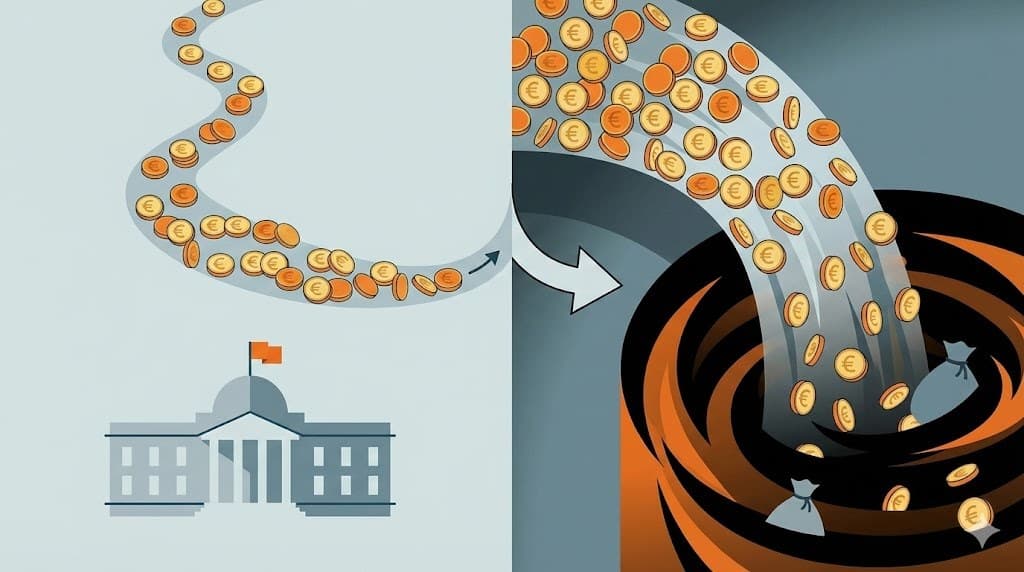
In January 2025, the Dutch government raised gambling taxes from 30.5% to 34.2%. The goal was simple: generate €202 million in additional annual revenue. Eight months later, the results are in – and they're brutal.
Instead of extra income, the Netherlands faces a €263 million revenue shortfall. The legal gambling market has contracted by 25%. And for the first time since the country legalized online gambling in 2021, illegal operators now generate more revenue than licensed ones. The Dutch gambling regulator KSA has officially admitted the policy "has not achieved its objective."
This isn't just a Dutch problem. It's a case study in how aggressive gambling taxation backfires – and why players should care about the difference between legal and offshore casinos.
What Actually Happened
The tax increase came from the coalition agreement signed in May 2024. Four parties – PVV, VVD, NSC, and BBB – needed money for budget shortfalls. Gambling looked like an easy target.
The original proposal was even more aggressive: an immediate jump to 37.8%. After industry pushback, the government settled on a two-step approach. First, 34.2% in 2025. Then 37.8% in 2026. They thought this would soften the blow.
It didn't.
The Ministry of Finance acknowledged in their own documents that "fewer people may gamble... or more people may gamble in the illegal circuit." They knew the risks. They proceeded anyway.
The Numbers Tell the Story
The government expected €100 million in additional revenue for 2025. Here's what they actually got:
H1 2025 tax collection dropped to 83% of H1 2024 levels. Not a slight decline – a collapse. Q1 2025 recorded the lowest quarterly gross gaming revenue (€291 million) since Q3 2022.
Total gambling tax revenue fell from a record €1.03 billion in 2024 to an estimated €800 million in 2025. The 5% decline might sound modest until you remember the government planned for substantial growth.
Average monthly player losses dropped from €146 to €119 – an 18% decline. Where did those high-spending players go? Not to responsible gambling. They went underground.
Half the Market Went Underground

This is the part that should concern anyone who gambles online. The KSA tracks something called "channelization" – the percentage of gambling happening through licensed operators versus illegal sites.
In H1 2024, channelization stood at 58%. Still not great, but the legal market held the majority. By H1 2025, it crashed to 49%.
For the first time since legalization, illegal operators now generate more revenue than licensed ones: €617 million versus €600 million in the first half of 2025.
Here's the alarming detail: while 94% of Dutch players still gamble exclusively on legal sites, the 6% using unlicensed operators account for more than half of total spending. These are high-risk players – exactly the people Dutch regulation was supposed to protect. Instead, they're gambling on sites with no deposit limits, no self-exclusion tools, and no recourse when something goes wrong.
Operators Are Leaving or Bleeding
The tax increase didn't just hurt government revenue. It's decimating the legal industry.
Holland Casino – the state-owned operator – lost €10.4 million in 2024. The new tax rate added €13.5 million in costs in H1 2025 alone. CEO Petra de Ruiter called the policy "irresponsible," warning that at 37.8% taxation, "black numbers are not possible." The company has already closed its historic Zandvoort location.
Tombola (owned by Flutter Entertainment) withdrew entirely in October 2024, citing an inability to succeed given "stricter regulations and gambling tax increases."
LiveScore Bet exited by year-end 2024, calling the Netherlands "commercially non-viable."
PokerStars never returned after withdrawing its license application in 2023.
When legitimate operators leave, they don't take their customers with them. Those players find alternatives – usually unlicensed ones.
Why This Matters for Players
If you're thinking "tax policy is boring, I just want to play slots" – here's why you should care.
Licensed casinos in regulated markets provide actual protection. Deposit limits. Self-exclusion programs. Complaint mechanisms. Verified random number generators. When you gamble at a licensed casino, you have recourse if something goes wrong.
Offshore and illegal operators offer none of this. They can change terms whenever they want. They can refuse withdrawals. They can disappear overnight with your balance. And there's nothing you can do about it.
The Dutch situation shows what happens when regulation prices itself out of competitiveness. Players don't stop gambling – they just gamble somewhere more dangerous.
The European Context
The Netherlands isn't alone in learning this lesson the hard way.
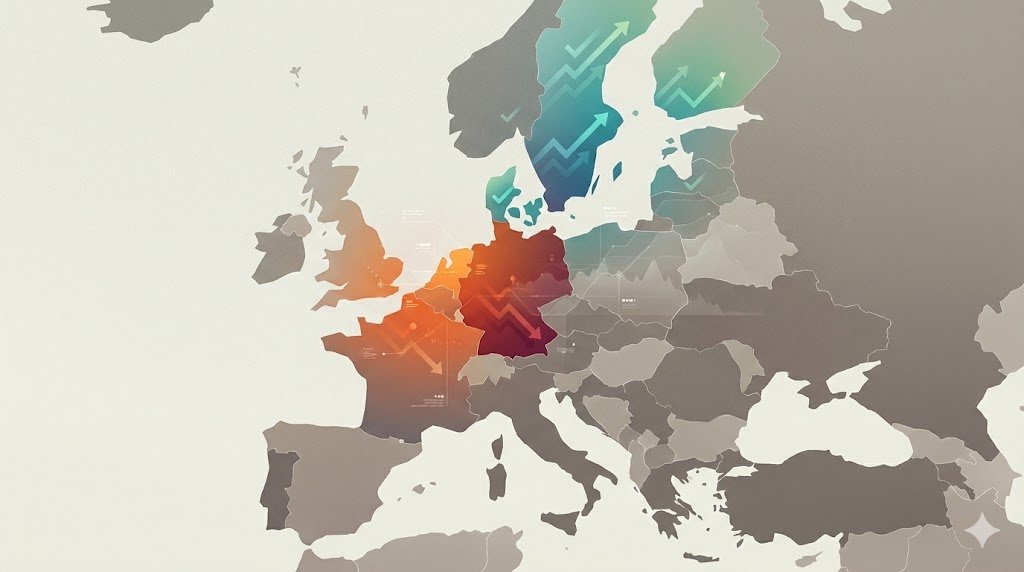
Germany's turnover-based tax (effectively 25%+ of GGR for many operators) has produced channelization rates as low as 20-40% for online slots. Industry estimates suggest 60-80% of German slot activity now occurs on unlicensed sites.
France and Portugal, both with rates above 40%, show channelization hovering around 50%.
Compare this to Denmark (28% tax, 84-90% channelization) or Sweden (22% tax, 74-86% channelization). Lower taxes, higher legal market share, better player protection.
The UK is currently proposing to raise remote gaming taxes from 21% to 40% by 2027. If the Dutch experience is any guide, they should think carefully.
What Happens Next
The Dutch government faces a choice. The planned January 2026 increase to 37.8% remains scheduled despite mounting evidence it will deepen the crisis. KSA analysis suggests this rate would render the average operator unprofitable.
Industry associations have united to call for freezing the rate at 34.2% and conducting independent evaluation. Holland Casino's auditors warn that "far-reaching measures" are needed to maintain operations through early 2027.
Enforcement has intensified – KSA issued over €168 million in fines in 2024 alone. But fining offshore operators doesn't make licensed operations profitable. And blocking illegal sites doesn't prevent determined players from finding them.
The Bottom Line
The Netherlands tried to squeeze more money from gambling. They ended up with less money, more illegal gambling, and a legal industry approaching collapse.
For players, the lesson is straightforward: when regulators make legal gambling uncompetitive, the alternatives aren't "no gambling" – they're worse gambling. Unregulated, unprotected, and ultimately more dangerous.
If you're choosing where to play, the tax situation in a market isn't just abstract policy. It determines whether legitimate operators can afford to exist there – and whether you'll have any protection when you need it.