Unibet's €4M Fine: What "Responsible Gambling" Actually Means for Players
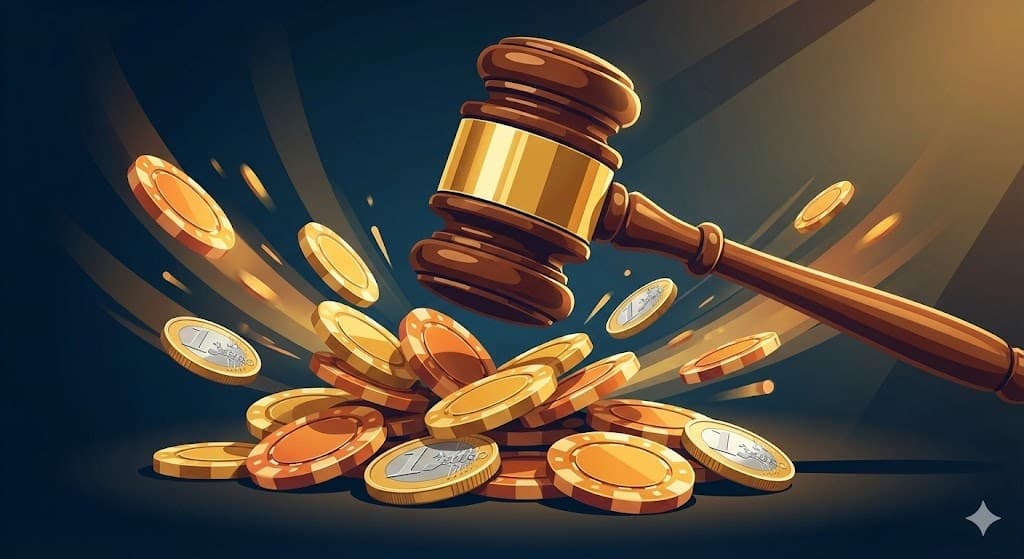
Unibet just got hit with a €4 million fine. Not for rigging games. Not for refusing payouts. For failing to stop players from losing too much money.
That's worth sitting with for a second.
The Dutch gambling regulator looked at 10 high-spending players on Unibet's platform. Every single file showed the same pattern: people depositing thousands of euros per day, obvious warning signs flashing, and Unibet doing... basically nothing. A dismissable pop-up here. An income check requested weeks after the damage was done.
This is what "duty of care" looks like when a casino ignores it. And honestly? It tells you more about how regulated gambling works than any marketing page ever could.
What Actually Happened
The Netherlands Gambling Authority (KSA) spent months digging through Unibet's player files from July 2022 to July 2024. They picked the 10 accounts with the highest losses. The findings weren't subtle.
Players were depositing thousands of euros in single days. Some gambled deep into the night, session after session. Loss limits got hit repeatedly. These are textbook red flags - the kind that should trigger immediate intervention under Dutch law.
Unibet's response? Pop-ups that players could click away in seconds.
Income verification requests that came weeks late, long after players had already burned through substantial amounts. In some cases, the company counted money from business accounts as "income" to justify higher deposits - something Dutch regulators explicitly prohibit.
KSA Chairman Michel Groothuizen didn't mince words: "When there are signs of excessive gambling behavior and someone is wagering enormous sums in a short period, an operator must promptly investigate the origin of the money."
Promptly. Not eventually. Not when convenient.
This Isn't a One-Time Mistake
Here's where it gets worse. The €4 million Dutch fine isn't an isolated incident. It's part of a pattern that's been building all year.
In October, the UK Gambling Commission fined Unibet's parent company £10 million for nearly identical failures. One player lost £5,000 within 24 hours of registering - then went on to lose £16,000 over three months. Another exceeded their £2,500 loss limit within 16 minutes of creating an account. Sixteen minutes. The system flagged nothing.
September brought a €450,000 Dutch fine for offering unauthorized football bets on under-21 matches and game events like corner kicks and yellow cards. These markets are banned specifically because they're vulnerable to match-fixing.
December 2024: €400,000 for letting self-excluded players onto the platform.
May 2025: AU$1 million in Australia for self-exclusion breaches.
And this is their second UK fine in two years - they paid £2.9 million in 2023 for the same AML and social responsibility failures.
Total regulatory penalties in 2025 alone? North of €15 million across multiple jurisdictions.

At what point does a pattern stop being "mistakes" and start being a business model?
What Is Duty of Care, Anyway?
For players outside heavily regulated markets, this might sound foreign. Casinos are supposed to stop you from gambling?
In jurisdictions like the Netherlands, yes. Licensed operators have legal obligations that go beyond just taking your money fairly. They're required to actively protect players from themselves.
Dutch rules got significantly stricter in October 2024. The new framework sets default monthly deposit limits at €350 for adults and €150 for players under 24. Want to deposit more? The casino must contact you personally - not through an automated email, but through an actual conversation with prevention-trained staff who explain the risks and point you toward support services.
There's a hard ceiling too. Deposit more than €700 net in a calendar month (€300 for young adults), and further deposits get blocked unless you can prove you can afford the losses. Every 30 minutes during play, pop-ups remind you how long you've been gambling. Hit your time limit? Automatic logout.
These aren't suggestions. They're legal requirements, and breaking them means fines like the one Unibet just received.
The Netherlands also operates CRUKS - a central exclusion register. Get yourself banned at one licensed casino, and you're banned at all of them. The system actually works because regulators actually enforce it.
Why Should You Care?
So a big gambling company got fined in Europe. What does that have to do with you?
Everything, if you're trying to figure out which casinos are actually safe.
The Unibet fine reveals something counterintuitive: regulated casinos can get punished for being too player-friendly with deposits. They're legally required to slow you down, verify your income, and intervene when your behavior looks problematic.
Offshore casinos operating without serious regulatory oversight? They face none of these requirements. No deposit limits unless they voluntarily implement them. No income verification. No self-exclusion registers that actually connect to other platforms. No regulator reviewing player files and issuing eight-figure fines when protections fail.
Think about what that means in practice.
Unibet got fined €4 million for interventions that were "too weak" - pop-ups that were too easy to dismiss, income checks that came too late. At an unregulated offshore casino, those same weak interventions would be considered above average. Most don't bother with any intervention at all.
The casino that just paid millions in fines for inadequate player protection is still, by any reasonable measure, safer than platforms that answer to no one.
That's not a defense of Unibet's failures. What they did was wrong, and the fine is justified. But it does illustrate why regulatory jurisdiction matters when choosing where to play.
How to Check If Your Casino Is Actually Regulated
License claims are easy to fake. "Licensed in Curaçao" appears on countless sites, but Curaçao's regulatory framework has historically been... let's call it permissive. A license from Malta (MGA), the UK (UKGC), or jurisdictions like the Netherlands carries actual weight because those regulators actually investigate and actually fine operators who screw up.
A few things to look for:
Check the regulator's website directly. Don't trust the license logo on the casino's footer. Go to the regulator's official site and search their license database. If the casino isn't listed, the license is either fake or from a jurisdiction you probably shouldn't trust.
Look for published enforcement actions. Regulators like the UK Gambling Commission and the Dutch KSA publish their fines and warnings. A casino that's been fined and remains licensed has at least been held accountable. A casino with no regulatory history might just be flying under everyone's radar.
Self-exclusion tools that actually work. Can you set deposit limits? Time limits? Does the casino connect to a national exclusion register? If these features don't exist or feel like afterthoughts, that tells you something about the operator's priorities.
Response to complaints. How does the casino handle disputes? Do they engage with third-party resolution services? Operators that ignore player complaints or refuse mediation tend to do so because they can get away with it.
The Uncomfortable Truth
Here's the thing about the Unibet story that nobody in the industry really wants to say out loud: the fines work.
Not perfectly. Obviously Unibet kept making the same mistakes across multiple jurisdictions, which suggests either systemic problems or a calculated decision that fines are just a cost of doing business. But the regulatory pressure is real. Companies change behavior when millions of euros are at stake. Player files get reviewed. Systems get updated. Staff get trained.
Compare that to the offshore space, where operators can ignore complaints indefinitely, refuse withdrawals on invented technicalities, and face zero consequences because no regulator has jurisdiction over them.
The Dutch system isn't perfect. Neither is the UK system or any other regulatory framework. Players still lose money they can't afford. Addiction still happens. But the existence of duty of care requirements - and the willingness of regulators to enforce them with serious penalties - creates accountability that simply doesn't exist in unregulated markets.
Unibet's €4 million fine is a failure story. But it's also proof that someone is watching.
At offshore casinos that answer to no one? Nobody's watching at all.