Brazil Bans 60 Million People from Online Gambling

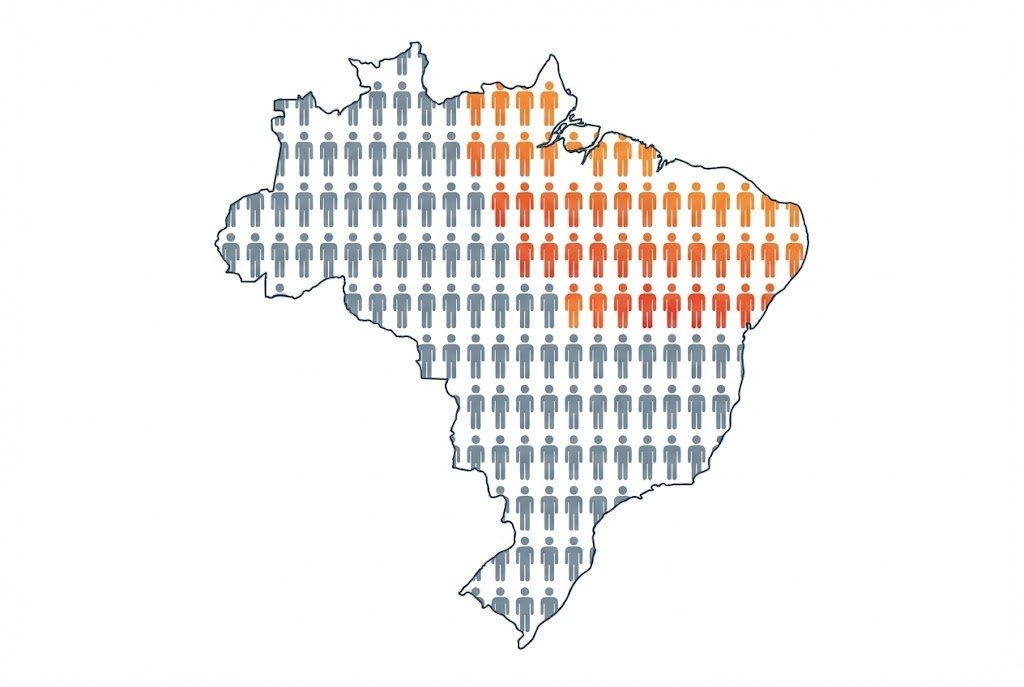
Brazil just blocked nearly a third of its population from legal online gambling. No phase-in period. No compromise. Recipients of Bolsa Família and BPC welfare programs – roughly 60 million citizens – are now completely banned from placing bets on licensed platforms. It's the most aggressive responsible gambling measure any major market has ever implemented. And it's already sparking a global debate: is this protection or paternalism?
What Actually Happened
On September 30, 2025, Brazil's Secretariat of Prizes and Bets (SPA) published Ordinance No. 2,217/2025, formally prohibiting all Bolsa Família and Continuous Benefit Payment (BPC) recipients from participating in fixed-odds betting. The ban went into effect October 1, with operators given 30 days (later extended) to close affected accounts and refund balances.
The mechanics are straightforward. Licensed operators must now cross-check every registration and daily login against Sigap – Brazil's betting management system – which contains a database of all welfare recipients' CPF numbers (tax IDs). If a match appears, the account gets blocked. No exceptions.
The scope is staggering. Bolsa Família covers approximately 54 million people across 20 million households. BPC adds another 5.8 million elderly and disabled recipients. Combined, that's nearly 30% of Brazil's 212 million population locked out of the legal gambling market entirely.
The Backstory: Why Brazil Went Nuclear
This didn't happen overnight. The Central Bank of Brazil dropped a bombshell in September 2024: five million Bolsa Família recipients had transferred R$3 billion ($540 million) to betting platforms in August alone. That represented roughly 20% of the program's entire monthly budget.
The numbers got worse. By January 2025, a Federal Court of Auditors (TCU) study found that spending had climbed to 26% of welfare distributions. Officials were stunned. Money earmarked for food, medicine, and school supplies was flowing directly into betting apps.

President Lula da Silva – who founded Bolsa Família during his first administration in 2004 – took it personally. The Supreme Federal Court ruled unanimously in November 2024 that social welfare funds must not be used for gambling, demanding immediate protective measures.
But here's where it gets contentious. The Supreme Court's original ruling only prohibited betting with welfare proceeds. The SPA's ordinance went much further – it banned welfare recipients from gambling entirely, regardless of whether they're using welfare money, wages from a side job, or birthday cash from grandma.
The Civil Rights Debate
"What we're saying is: if I'm in a situation where I need welfare, I cannot decide where I'm going to spend my money," says Luiz Felipe Maia, founding partner at Brazilian law firm Maia Yoshiyasu Advogados. "Either you give them food stamps and say these are only for food, or you're giving them money and allowing them to decide what to do with it."
The Attorney General's office raised a similar objection early on. They noted that 99% of Bolsa Família recipients don't use the program's physical card – they receive benefits in standard bank accounts that also hold wages and other income. Blocking gambling entirely, they argued, "invades the private sphere where the citizen moves other income."
This isn't just a Brazilian philosophical debate. It's testing a fundamental question for global gambling regulation: can governments restrict legal activities based on economic status?
Not Entirely Without Precedent
Brazil isn't technically the first to try this approach – just the first to do it at scale. Singapore has excluded residents of public rental housing (a form of subsidized accommodation) from casinos and certain gambling activities since 2022. Georgia banned "socially vulnerable people" from gambling as part of its 2022 regulatory overhaul.
The difference is magnitude. Singapore's public rental exclusion affects a fraction of its 5.5 million population. Brazil is blocking 60 million people – more than the entire population of most European countries.
The Black Market Problem Everyone Saw Coming
Industry analysts warned from day one: ban legal access, and people find illegal alternatives.
An ANJL-commissioned study found that 45% of welfare recipients plan to migrate to unlicensed operators once the ban takes full effect. Ed Birkin, managing director of H2 Gambling Capital, cautioned that "while the ban is well-intentioned, it could lead to increased black market activity."
Brazil's telecommunications watchdog, ANATEL, has already blocked over 15,000 illegal gambling websites since October 2024. But enforcement officials privately admit that stopping digital gambling is like "drying ice" – technically possible, practically futile.
The black market concern isn't theoretical. Brazil's gray market was worth an estimated $3.4 billion before regulation launched in January 2025. High-value players disproportionately use unlicensed sites for better odds, fewer KYC checks, and crypto payment options. Pushing 60 million more potential customers toward those operators could supercharge illegal activity.

What This Means for the Brazilian Market
Brazil is projected to finish 2025 as the world's fifth-largest betting market, generating approximately $4.1 billion in gross gaming revenue. The regulated market recorded R$17.4 billion ($2.76 billion) in GGR during the first half of 2025 alone, with 17.7 million active bettors across 78 licensed operators.
Industry representatives estimate the welfare ban could reduce the user base by 20%. That's not evenly distributed pain – crash games and lower-stakes betting, popular among lower-income demographics, will take disproportionate hits. Sports betting tied to football culture may prove more resilient among the remaining player base.
For international operators who invested heavily in Brazilian licenses, the calculation just got more complicated. The market remains enormous and growing. But aggressive social restrictions signal a regulatory environment that prioritizes protection over market growth – the opposite trajectory from most emerging markets.
The Uncomfortable Questions
Brazil's welfare gambling ban forces regulators worldwide to confront difficult trade-offs.
The protection argument is real. When families receiving poverty assistance spend a quarter of those funds on betting, something has gone systemically wrong. Crash games and instant-win products are designed for engagement loops that can devastate vulnerable households. Saying "people should be free to make bad choices" ignores that gambling products are engineered to exploit cognitive biases.
But so is the autonomy argument. Adults receiving government assistance remain adults. They face difficult decisions daily about how to allocate scarce resources. Banning them from one legal activity – while wealthier Brazilians face no restrictions – creates a two-tier citizenship that many find troubling.
The responsible gambling measures most markets implement – deposit limits, self-exclusion, cooling-off periods – apply equally regardless of income. Brazil has abandoned that principle entirely.
What Happens Next
The ban is now active, but implementation remains messy. Operators scrambled to comply with extended deadlines. Database synchronization with Sigap has proven technically challenging. And legal challenges continue working through Brazilian courts.
Meanwhile, parliamentary inquiries are examining broader questions about gambling's economic impact and the effectiveness of social safeguards. Senator Damares Alves has called for tighter controls including age limits raised to 21, stricter advertising rules, and celebrity endorsement bans.
If the ban succeeds – meaning welfare spending on gambling drops significantly without a proportional black market surge – expect other countries with large social welfare programs to watch closely. If it fails – pushing millions toward unregulated operators while doing little to change behavior – it becomes a cautionary tale about overreach.
Either way, Brazil has launched the world's most aggressive test of whether gambling regulation can discriminate based on economic class. The results will shape responsible gambling debates for years.