Michigan Targets 12 Offshore Casinos in Latest Enforcement Wave
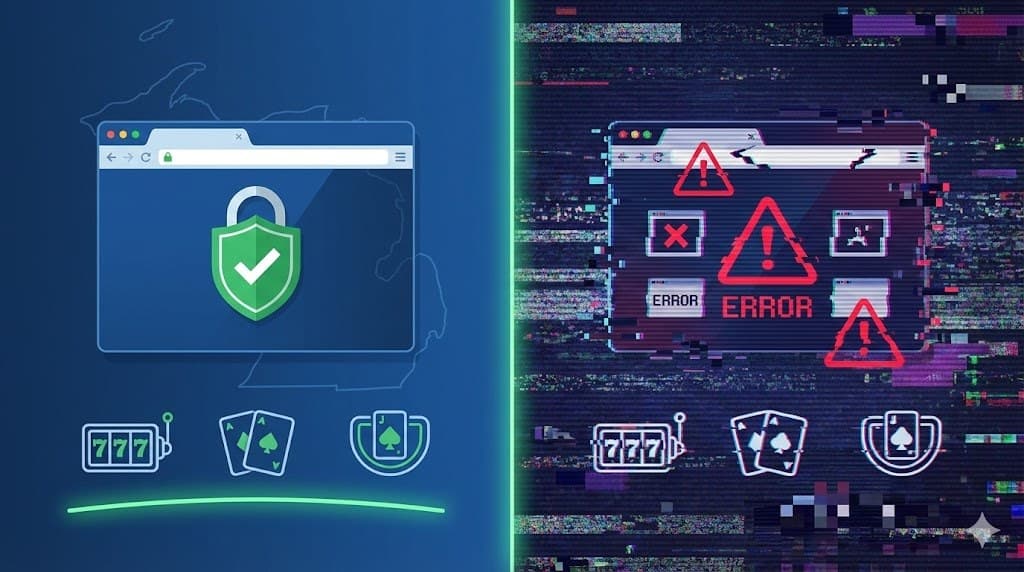
The Michigan Gaming Control Board issued cease-and-desist letters to 12 illegal offshore gambling operators on December 3, 2025, marking the state's most aggressive enforcement year yet with over 100 total letters sent to unlicensed operators. Players using these sites risk losing funds with no legal recourse, while Michigan's regulated market offers the consumer protections these offshore operators lack entirely.
This action underscores a broader shift in US gambling enforcement – states are no longer passively watching illegal operators siphon customers and tax revenue. Michigan has emerged as the national leader in offshore crackdowns, with Executive Director Henry Williams declaring the MGCB will take "relentless, decisive action" against unlicensed gambling.
The 12 Operators Now on Notice
The MGCB's December 3 enforcement action targeted a mix of crypto casinos, sportsbooks, and online casinos operating without Michigan licenses:
31 Bets Casino
Betnuvo
BetPhoenix (sportsbook/casino operating at betphoenix.ag)
Booty.bet
Jackpotter
Kings Chance Casino
Mybitcoin Casino
Starbets
The Virtual Casino
This Is Vegas
Vegas Strip Casino
xWin90
Each operator received a 14-day deadline to cease offering gambling services to Michigan residents. Non-compliance triggers escalation to the Michigan Attorney General's Office for potential criminal prosecution under the Michigan Gaming Control and Revenue Act – a felony carrying up to 10 years in prison and $100,000 in fines.
BetPhoenix, the most established name on the list, continues operating at the time of this writing, offering sportsbook, live casino, and racebook services to US customers. Industry observers note offshore operators often ignore state enforcement actions, gambling that prosecutors cannot effectively reach them in Curaçao, Costa Rica, or other offshore jurisdictions.
Why Michigan Leads the Enforcement Charge
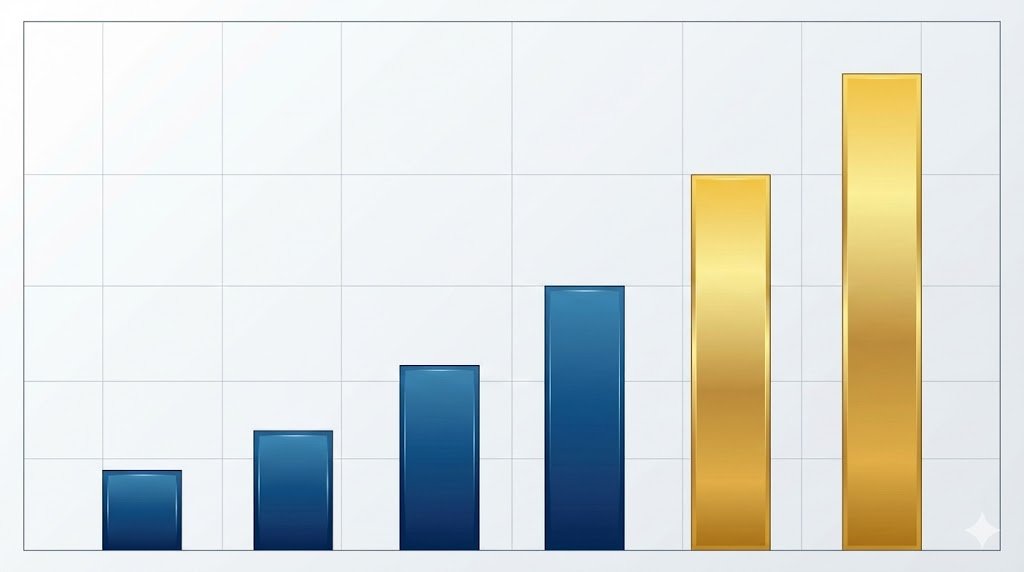
Michigan has sent more cease-and-desist letters than any other state in 2025. The numbers are striking:
Month | Operators Targeted |
|---|---|
March 2025 | 10 |
April 2025 | 24 |
May 2025 | 15 |
July 2025 | 25 |
August–September | 27 |
October–December | 23 |
Governor Gretchen Whitmer allocated $1.9 million in the 2025 budget specifically for MGCB's illegal operator enforcement, signaling political commitment to protecting the regulated market. That market generated $2.9 billion in gross receipts in 2024, with iGaming revenue growing over 30% year-over-year – money the state wants flowing through licensed, taxed channels rather than offshore operators.
"Illegal online gambling sites operate without oversight, putting players at risk and undermining Michigan's secure, regulated marketplace," Williams stated. The MGCB's approach combines public enforcement announcements – which "shine unwanted light on illegal operators," according to Chief of Staff Kurt Steinkamp – with systematic escalation to criminal prosecution for non-compliant sites.
What This Means for Michigan Players
Players with accounts at any of the 12 targeted sites face immediate practical concerns. The MGCB does not pursue criminal charges against individual players, focusing enforcement resources on operators. But players have zero protection if these sites withhold winnings, manipulate games, or simply disappear with deposited funds.
The risks of playing at unlicensed offshore casinos are substantial:
No fair game guarantees – Unlike Michigan-licensed casinos, which undergo independent testing, offshore sites can manipulate return-to-player percentages without detection
No withdrawal protection – Stories abound of offshore casinos imposing impossible wagering requirements or simply refusing payouts
No dispute resolution – The MGCB cannot help recover funds from unlicensed operators
Identity theft exposure – These sites operate without data security requirements
Michigan law requires gambling operators to hold MGCB licenses. The Lawful Internet Gaming Act (signed December 2019, launched January 2021) limits online gambling licenses to Michigan's three Detroit commercial casinos and 12 tribal gaming operators. These licensees partner with established platforms – BetMGM, FanDuel, DraftKings, BetRivers, Caesars, and others – that offer meaningful player protections.
The MGCB maintains a verified list of all licensed operators at michigan.gov/mgcb. If a site isn't on that list, it isn't legal in Michigan – regardless of how professional its website appears.

Do These Enforcement Letters Actually Work?
The effectiveness question divides industry experts. Research from GeoComply found states taking enforcement action saw 10% faster growth in legal sportsbook users compared to non-enforcing states, suggesting crackdowns push some players toward regulated options.
Major offshore operator Bovada has complied with cease-and-desist letters, withdrawing from 17 US jurisdictions including Michigan. This represents the best-case scenario – an established operator valuing its reputation enough to respect state boundaries.
The broader picture is less encouraging. A Yield Sec analysis found 74% of US online gambling revenue ($67.1 billion) still flows to unlicensed operators. Brendan Bussmann, principal at gaming consultancy B Global, summarizes the limitation: "The cease-and-desist is first, and then how far can you prosecute along the way is next. This is where the feds come into play."
Operators based in Curaçao or Costa Rica face minimal consequences for ignoring state letters. They use non-.com domains to avoid US seizure jurisdiction, accept cryptocurrency to circumvent payment blocking, and cycle through mirror sites when domains are flagged.
The Push for Federal Action
Michigan's enforcement happens against a backdrop of unprecedented state coordination. In August 2025, all 50 state attorneys general signed a bipartisan letter urging DOJ action against offshore operators – the first unanimous AG coalition on gambling enforcement.
The letter, co-led by attorneys general from Connecticut, Massachusetts, Nebraska, and Utah, requested the DOJ pursue injunctive relief under the Unlawful Internet Gambling Enforcement Act, seize domains and financial assets, and coordinate with banks to dismantle offshore payment infrastructure.
Chris Cylke, senior vice president at the American Gaming Association, framed the stakes: "Successful enforcement actions by Michigan are proof that states have tools to fight back against offshore operators and should serve as blueprints for other states. But states should not have to take on this battle alone."
The illegal market's scale explains the urgency. Americans wager an estimated $511 billion annually with unregulated operators, costing states approximately $13.3 billion in lost tax revenue. Michigan's $2.9 billion regulated market, while substantial, represents a fraction of potential volume.
This coordinated push mirrors what we've seen in Europe, where seven countries recently declared war on illegal gambling through joint enforcement initiatives.
How Michigan Stacks Up Nationally
Michigan's enforcement intensity stands out even among active states:
Louisiana issued 40+ letters in June 2025
New York sent 26 letters targeting sweepstakes casinos in March 2025
Massachusetts has pursued Bovada and BetOnline through its Gaming Enforcement Division
Maryland targeted 11 operators including BetUS and Stake.US
Yet Michigan's systematic approach – monthly enforcement waves, supplier disclosure requirements, and the "Play It Smart, Michigan" consumer education campaign – represents the most comprehensive state-level strategy currently operating.
The supplier requirement is particularly innovative. Michigan mandates that game suppliers disclose whether they provide content to offshore operators, creating accountability throughout the supply chain rather than just targeting consumer-facing sites.
What Happens Next
The 12 operators have until mid-December to comply or face escalation. Based on patterns from earlier 2025 enforcement, compliance from established operators is possible while crypto-focused sites like Mybitcoin Casino and Starbets are unlikely to respond.
For Michigan players, the message is straightforward: the state's regulated market offers 15 licensed online gambling operators with real consumer protections, responsible gaming tools, and dispute resolution through the MGCB. The offshore alternatives offer none of these safeguards.
Players can verify operator licensing at michigan.gov/mgcb and report suspicious gambling sites to MIGamblingTip@michigan.gov or call 1-888-314-2682. The Michigan Problem Gambling Helpline (1-800-270-7117) provides 24/7 support for those experiencing gambling-related issues.
Looking for legitimate alternatives? Consider exploring top rated casinos that meet strict licensing requirements and offer genuine player protections.