Prediction Markets Just Broke the Gambling Industry's Business Model

DraftKings and FanDuel quit the American Gaming Association in November 2025. Both surrendered their Nevada gaming licenses. Their stocks have crashed more than 20% this year. The reason? Two platforms most gamblers have never heard of – Kalshi and Polymarket – are now worth a combined $20 billion and processed $8.3 billion in bets last month alone.
This isn't a story about a new competitor entering the market. It's about a regulatory loophole that could unravel the entire state-by-state licensing system that governs gambling in America.
The Loophole That Changes Everything
Prediction markets found something traditional sportsbooks never could: a federal backdoor. By registering with the Commodity Futures Trading Commission as derivatives exchanges, platforms like Kalshi argue they're offering financial instruments, not wagers. The distinction sounds like legal hairsplitting. It's not.
CFTC-regulated exchanges operate under federal "exclusive jurisdiction." That means no state licenses required, no gaming taxes paid, and – here's the kicker – 18-year-olds can participate instead of the 21-and-over requirement at most sportsbook casinos. California, Texas, Florida – massive markets where sports betting remains illegal – are suddenly wide open.

The key court victory came in September 2024 when a DC Circuit Court ruled that Kalshi's election contracts don't constitute "gaming" because elections aren't games. Under the Trump administration, the CFTC dropped its appeal and ended investigations into both major platforms. The door is now open.
But not everyone agrees it should stay open. Nevada's gaming regulators have pushed back hard. A federal judge there reversed his own pro-Kalshi ruling in November 2025 after the platform expanded into sports parlays. His warning cut to the core of the issue: licensed gaming companies have invested millions to comply with state regulations, only to watch competitors offer the same products nationwide without licenses or taxes.
Sports Is Where the Money Is
Election betting made Polymarket famous. Sports betting is making these platforms rich.
Roughly 90% of Kalshi's September 2025 volume – about $2 billion – came from sports contracts. NFL moneylines, NBA player props, college football spreads. If it exists at a traditional sportsbook, Kalshi probably offers it now. The structural advantages are brutal for incumbents: prediction markets charge around 2% on profits versus the 10% vigorish embedded in sportsbook odds. Users trade against each other rather than against the house.
The legitimization came fast. The NHL became the first major U.S. sports league to partner with prediction markets in October 2025. UFC followed with an exclusive Polymarket deal that integrates real-time odds directly into live broadcasts. Google announced it will show Kalshi and Polymarket data in search results. CNBC, CNN, Yahoo Finance – all signed partnership deals.
When 60 Minutes profiles your CEO and Google treats your odds as financial data, you're no longer operating in a regulatory grey zone. You're mainstream.
The Industry's Response: If You Can't Beat Them...
The traditional gambling industry tried fighting first. The American Gaming Association called prediction markets "illegal sports betting" and found polling showing 85% of Americans agree sports event contracts are gambling. When the AGA planned a resolution to exclude operators offering prediction markets, DraftKings and FanDuel walked out.
Both companies are now launching their own prediction market platforms. DraftKings acquired CFTC-licensed Railbird Technologies and plans a $50 million marketing push before the Super Bowl. FanDuel partnered with CME Group to create "FanDuel Predicts." Fanatics went live across 24 states in December 2025. All three are targeting states without legal sports betting – an explicit acknowledgment that prediction markets' value lies in circumventing state frameworks.

The pivot cost them Nevada. State regulators declared prediction market activity "incompatible" with holding Nevada licenses. DraftKings and Flutter Entertainment (FanDuel's parent) surrendered them. The stock market has been unforgiving: combined market cap losses exceed $30 billion since August.
Compare that to Robinhood. The trading app partnered with Kalshi in March 2025 and now accounts for half of Kalshi's volume. Robinhood's stock has tripled this year. The market is picking winners, and traditional sportsbooks aren't among them.
The Crypto Angle
Polymarket runs on blockchain. Built on Polygon and using USDC stablecoins, the platform offers non-custodial trading where users control their funds through self-custodial wallets. Every transaction is publicly verifiable on-chain – a level of transparency traditional sportsbooks can't match.
This architecture enabled Polymarket's global dominance during the 2024 election when U.S. users were technically banned. It also creates problems. A Columbia University study estimated roughly 25% of Polymarket's historical volume was wash trading, with some weeks showing over 90% suspicious activity in sports markets. Researchers attributed much of this to users farming potential airdrops of a POLY token the company has confirmed is coming.
Kalshi took the opposite approach: fiat-native, directly CFTC-supervised, traditional financial infrastructure. Less global reach, fewer manipulation concerns. The crypto casino model offers advantages in accessibility and transparency, but comes with risks that regulated platforms avoid.
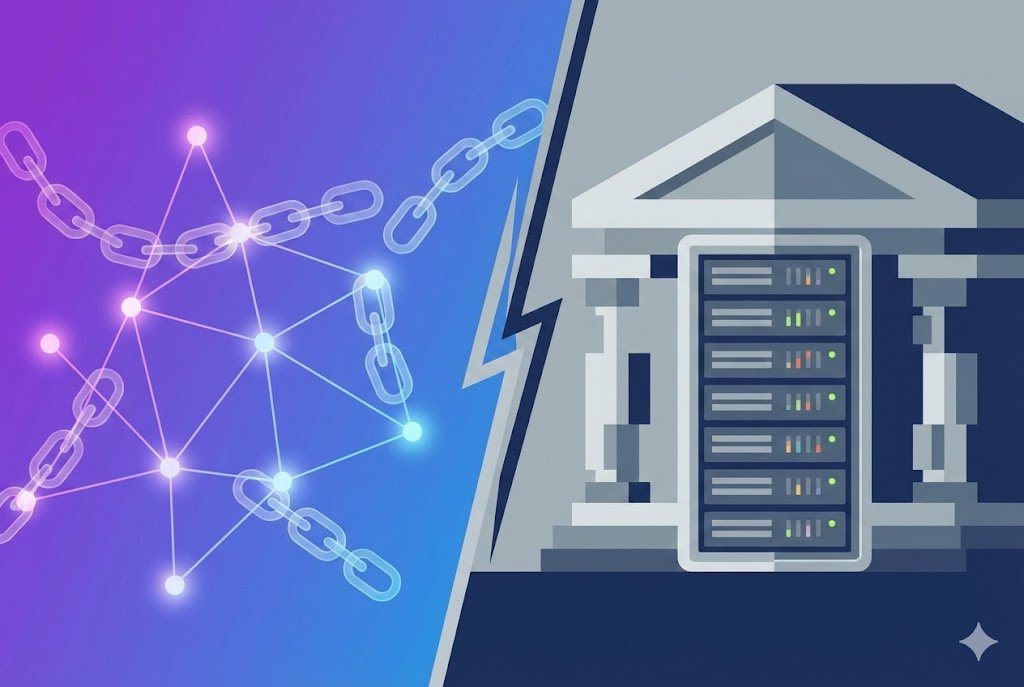
For the gambling industry, the crypto question matters because it determines whether prediction markets remain niche financial products or become mainstream gambling alternatives. Polymarket's blockchain foundation makes it harder to regulate but also harder to trust. Kalshi's traditional structure makes it easier to regulate but also easier for incumbents to copy.
Political Backing Has Changed the Game
The prediction market industry's connections run deep into the current administration. Donald Trump Jr. advises both Kalshi and Polymarket. Trump Media announced its own prediction market platform, Truth Predict, in October 2025. Brian Quintenz, a former Kalshi board member, has been nominated to lead the CFTC.
These connections appear to be paying off. The CFTC dropped investigations, issued favorable guidance, and dismissed appeals. Acting Chair Caroline Pham called prediction markets "an important new frontier." The regulatory mood has shifted from hostile to enthusiastic.
But 22 states and tribal gaming authorities have launched legal challenges. Courts have reached contradictory conclusions – pro-Kalshi rulings in DC and New Jersey, adverse rulings in Nevada and Maryland. This circuit split will likely reach the Supreme Court. The question of whether federal CFTC registration preempts state gambling laws could determine the future structure of American gambling.
What This Means for the Industry
The prediction market collision is forcing a fundamental restructuring. Analysts see a "five-horse race" emerging: DraftKings, FanDuel, Kalshi, Polymarket, and Robinhood competing for what could be a $5 billion market in prediction contracts. The AGA estimates states have already lost $142 million in tax revenue since prediction markets began offering sports contracts.

The parallels to sweepstakes casinos are striking. Another industry found a regulatory loophole, grew rapidly, attracted mainstream attention, and then faced a coordinated crackdown. The difference: prediction markets have federal protection that sweepstakes never had, political backing that's only growing stronger, and major financial institutions treating them as legitimate.
Several outcomes remain possible. Courts could rule CFTC registration doesn't preempt state laws. Congress could clarify the rules. The current ambiguity could persist for years. What seems certain is consolidation and a smaller number of well-capitalized platforms operating under some hybrid federal-state framework by late 2027.
For traditional gambling operators, the strategic calculus is clear: prediction markets are either an existential threat or a transformational opportunity. DraftKings and FanDuel have chosen to join rather than fight. The question is whether they moved fast enough – and whether the regulatory environment they're betting on actually materializes.