Italy Just Created Europe's Most Expensive Gambling License
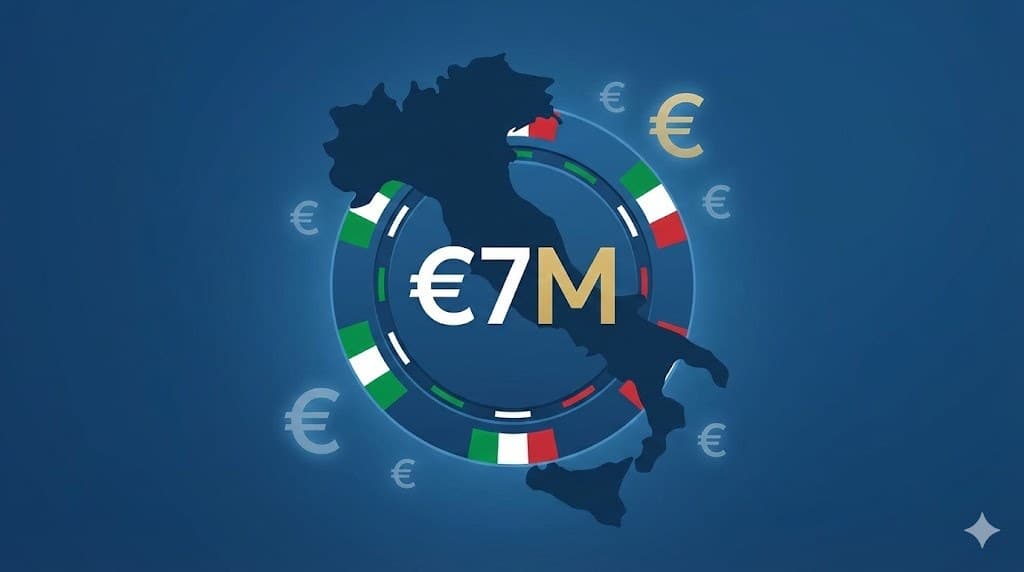
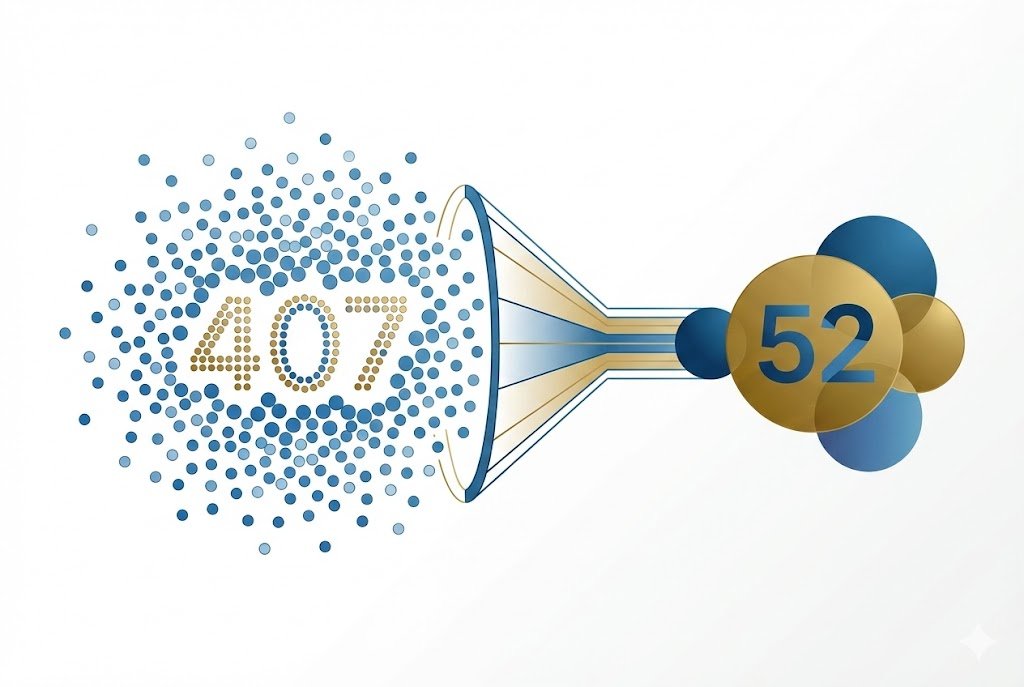
Italy compressed 407 online gambling websites into just 52 licensed domains on November 13, 2025. The new €7 million-per-license regime – 35 times higher than the previous €200,000 fee – generated €364 million in state revenue overnight and pushed several major operators out of the market entirely.
The overhaul makes Italy both Europe's most expensive gambling jurisdiction and its largest regulated market among EU-27 nations, with €21.6 billion in gross gaming revenue for 2024. But does paying more for fewer casinos actually benefit players?
What Operators Actually Pay
The headline €7 million doesn't capture the full cost. Operators pay €4 million upfront upon license award, with the remaining €3 million due within six months when operations launch. On top of that: a €3.7 million bank guarantee, annual fees of 3% of gross gaming revenue, plus 0.2% GGR earmarked for responsible gambling initiatives.
The nine-year license duration helps – amortized to roughly €778,000 annually – but operators must also demonstrate minimum revenues of €3 million over the prior two years and undergo rigorous anti-mafia vetting. Companies from the UK, Gibraltar, Alderney, and Isle of Man are now explicitly excluded as non-EU jurisdictions.
"Given the sector's continued growth, it would have been shortsighted for operators to stay out," said Mario Lollobrigida, Head of ADM's Gaming Division. "If anything, we could have set it even higher."
The End of Italy's "Skin" Era
The most dramatic change is the elimination of multi-brand "skin" sites. Previously, operators could run dozens of affiliate domains under a single master license – 54 Italian operators ran approximately 320 websites while 27 foreign operators managed about 100 more. The new framework mandates one website per license, using an Italian top-level domain (.it).
This consolidation was deliberate. ADM received 52 license applications from 46 companies – all approved – compared to 93 applications in the previous tender. The reform created a two-tier market: well-capitalized major operators who could absorb the costs, and everyone else forced to exit.
Christian Tirabassi, founder of M&A advisory firm Ficom Leisure, predicted the outcome: "Just a handful of operators will generate around 80% of Italy's €5.2 billion in remote GGR, with no more than 30 or 35 operators active in the legal market."
The numbers confirm this. The top 30 licensees already account for 94% of market revenue. The leading four operators control 57% of online GGR – up from 37% in 2019.
Who Left and Who Stayed
Betway had signed a Serie A partnership with Bologna FC earlier in 2024, making its exit particularly abrupt. Parent company Super Group has been exiting multiple jurisdictions globally – including Sweden and Brazil – due to profitability concerns.
Unibet (Kindred Group) departed without formal explanation, though the 35-fold fee increase and stricter compliance requirements clearly altered the cost-benefit calculation. The operator has faced regulatory pressure in multiple markets recently.
Betaland carried historical baggage – the Malta-based operator was placed under investigation in 2018 for corruption, fraud, and money-laundering allegations. The new regime's enhanced anti-mafia checks likely proved insurmountable.
1xBet never held a proper ADM license, operating in Italy's regulatory grey zone through mirror sites. In 2017, Serie A suspended its sponsorship with the operator after ADM flagged compliance violations.
Meanwhile, Flutter Entertainment emerged as the dominant force, securing the maximum five licenses covering Sisal, Snaitech, PokerStars, Betfair, and Sky Bet Italia. Its €2.3 billion acquisition of Snaitech gives Flutter an estimated 30% share of the Italian market. Lottomatica matched with five licenses of its own, maintaining 29% market share.
Other major licensees include bet365, 888 Italia, William Hill, LeoVegas, Betsson, and new entrants Stake, DAZN Bet, and Winamax.
Europe's Tightest Player Verification
Italy now requires all new gambling accounts to authenticate through SPID (Sistema Pubblico di Identità Digitale) – the government-issued digital identity system already used for public services. This verifies player identity against the Tax Registry before any gambling activity can occur.

The system eliminates duplicate accounts entirely since SPID credentials are tied to unique tax codes. It also enables cross-platform self-exclusion tracking through Italy's Single Self-Exclusion Register, which lets players block themselves from all licensed operators simultaneously.
From February 2026, new "partial self-exclusion" mechanisms will let players block specific game categories while maintaining other access. Regulators will also gain authority to initiate exclusions for vulnerable players they identify.
Italy's 3% problem gambling prevalence rate – ten times Spain's 0.3% figure – drove these measures. The SPID requirement addresses this by eliminating simple age declaration checkboxes.
How Italy Compares to Other Markets
Italy's €7 million license now stands as Europe's most expensive by far:
Country | License Cost | Annual Fees |
|---|---|---|
Italy | €7,000,000 | 3% of GGR |
Germany | €185,000 max | 5.3% stake tax |
UK | £91,686 max | £793,729+ by tier |
Spain | €38,000 | 20% GGR tax |
Malta | €5,000 application | €25,000+ fixed |
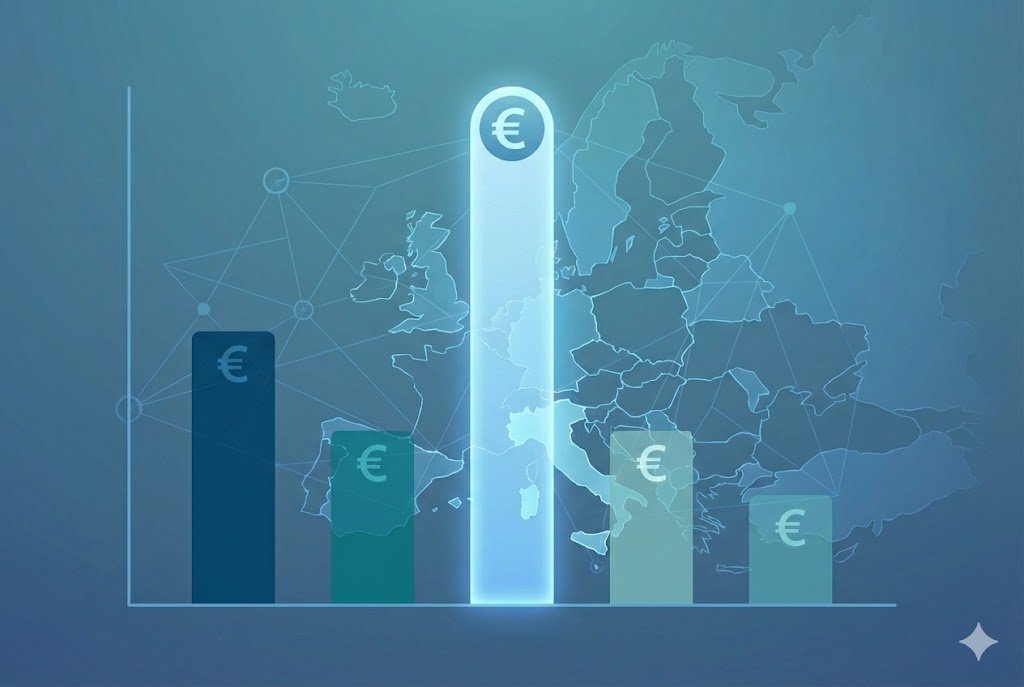
Italy's fee exceeds the UK maximum by 76 times, Malta's application fee by 1,400 times, and Spain's by 184 times. But proponents argue the fee reflects market opportunity – Italy's €21 billion GGR is the largest among EU-27 nations.
"The reform has brought the price of the licence to a normal level," argued Tirabassi. "The previous price – how cheap it was – that was the abnormal part."
For context on how other European nations are approaching gambling regulation, seven EU countries recently coordinated enforcement actions against unlicensed operators. Italy's approach differs by focusing on pricing out smaller players rather than pursuing cross-border cooperation.
The €25 Billion Black Market Problem
Italy's regulatory crackdown targets an estimated €25 billion in annual illegal gambling wagers, with €18.5 billion flowing through unlicensed online sites. Converting those wagers to operator revenue yields approximately €1 billion in annual GGR lost to the black market.
The problem runs deeper than lost taxes. National anti-mafia prosecutor Federico Cafiero De Rao described the illegal market as evidence of "how prolific the mafia is at infiltrating almost any industry." One operation investigated 336 individuals tied to the Santapaola-Ercolano clan, who operated illegal gambling sites from Malta and laundered over €62 million.
ADM has blocked nearly 10,000 unauthorized platforms and blacklisted 11,481 domains total. The agency plans to double inspections and implement AI-driven compliance tools.
Yet critics question whether consolidating legal options will push players toward illegal alternatives. Italy's 2018 advertising ban already prevents licensed operators from distinguishing themselves from unlicensed competitors. Without legal marketing, argues one industry executive, "there is no real way for Italians to tell the difference between a licensed gambling website and one that is not."
What This Means for Players
The immediate impact is reduced choice – 87% fewer websites with several familiar brands departing. Players looking for alternatives can explore top-rated licensed casinos that meet strict regulatory requirements in other jurisdictions.
Italian players now face SPID authentication before any gambling activity, eliminating quick sign-ups but providing stronger identity verification and self-exclusion tools. Access remains to major international brands (bet365, 888, William Hill) alongside dominant Italian operators (Sisal, Lottomatica, Snaitech).
Market consolidation could reduce bonus competition as fewer operators vie for players. The advertising ban already suppressed promotional activity, and the new regime accelerates that trend.
The Bottom Line
Italy has made an explicit bet that market quality matters more than quantity. By pricing out smaller operators and eliminating multi-brand sites, ADM created Europe's most exclusive gambling market. The €364 million in licensing revenue represents immediate fiscal success.
Whether this consolidation actually reduces illegal gambling remains the open question. The advertising ban prevents licensed operators from distinguishing themselves, while reduced options could push price-sensitive players toward black market alternatives.
For operators willing to pay €7 million, Italy offers access to Europe's largest EU gambling market with a nine-year runway. For everyone else, Italy's doors have closed.