Light & Wonder Pays 127.5M USD After Employee Steals Aristocrat's Slot Algorithms
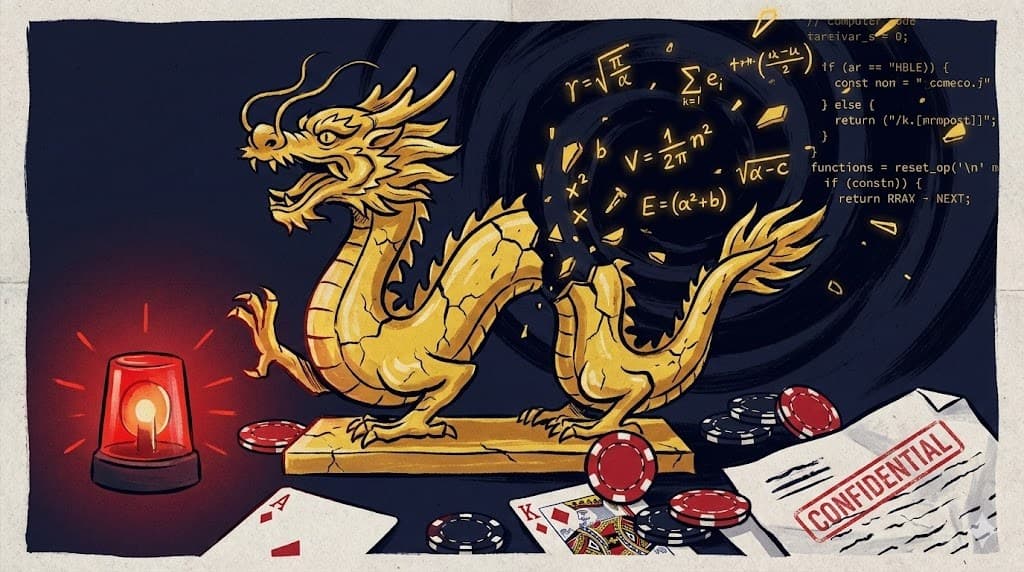
Light & Wonder just agreed to pay Aristocrat Gaming $127.5 million to settle one of the gaming industry's most damaging trade secret cases. The Las Vegas slot manufacturer must permanently remove its Dragon Train and Jewel of the Dragon games from casino floors worldwide - roughly 2,350 machines gone.
The reason? A former Aristocrat game designer brought proprietary slot algorithms with her when she switched companies. One spreadsheet, dated November 2013, contained the mathematical DNA behind Aristocrat's Dragon Link franchise. That single document became the case's smoking gun.
The spreadsheet that cost $127.5 million
Emma Charles spent years at Aristocrat as a senior game designer, working on Dragon Link and Lightning Link - two of the most successful slot franchises ever created. When Light & Wonder hired her in July 2021 to lead a new "Star Studio" in Australia, she brought something valuable: Aristocrat's proprietary game mathematics.
Discovery revealed Charles possessed a spreadsheet with Aristocrat's confidential math models. The creation date - November 12, 2013 - proved she'd retained company files for eight years before joining the competition.

Dragon Train launched in Australia in 2023 and hit U.S. tribal casinos by March 2024. Within months, Aristocrat's lawyers noticed the similarities went beyond Asian theming and dragon imagery. The underlying math - payout structures, hit frequencies, bonus mechanics - matched their proprietary formulas.
Light & Wonder initially called the lawsuit "baseless," arguing Aristocrat's game mathematics were publicly available on eBay and Facebook. That defense collapsed when evidence showed Charles admitted to taking and using confidential information. She was terminated in October 2024.
What the settlement actually requires
The January 11, 2026 agreement goes far beyond the headline payment. Light & Wonder must permanently stop selling or leasing Dragon Train and Jewel of the Dragon globally, including online versions previously available at BetMGM Casino. The company must destroy all documents containing Aristocrat's proprietary algorithms.
Most unusually, Light & Wonder acknowledged that "certain Aristocrat math information was used in connection with the development of both Dragon Train and Jewel of the Dragon." That kind of explicit admission almost never appears in IP settlements.
Both companies also established confidential procedures allowing Aristocrat to review Light & Wonder's other hold-and-spin games - including titles still in development. This monitoring arrangement suggests concerns that the misappropriation may have extended beyond two named games.
The timeline shows how quickly this escalated:
Date | Event |
|---|---|
February 2024 | Aristocrat files lawsuit in Nevada federal court |
September 2024 | Judge grants injunction; L&W stock drops 19% |
October 2024 | Emma Charles terminated; ~2,200 machines removed |
April 2025 | L&W voluntarily withdraws Jewel of the Dragon |
January 2026 | $127.5M settlement announced |
Three employees, thousands of stolen files
Charles wasn't the only problematic hire. Artist Lloyd Sefton, another former Aristocrat employee who joined the Dragon Train team, is also no longer with Light & Wonder. And in Australia, games designer Dinh Toan Tran allegedly downloaded 6,800 files onto USB devices on December 3, 2023, shortly before resigning to join a competitor.
Australian courts issued an urgent search-and-seizure order against Tran, who later settled with Aristocrat on undisclosed terms. He acknowledged copying "a substantial volume of Aristocrat's sensitive and valuable intellectual property."
The pattern raises uncomfortable questions about Light & Wonder's hiring practices. CEO Matt Wilson previously served as President of Aristocrat's Americas operations. Chairman Jamie Odell is a former Aristocrat CEO. Director Toni Korsanos is Aristocrat's former CFO. Chief Product Officer Rich Schneider held the same role at Aristocrat when Dragon Link was developed.
Light & Wonder characterized the incident as a "rogue employee" situation - claiming misappropriation happened without corporate knowledge and violated company policies. Critics note this ignores that the company specifically recruited Charles for her Aristocrat expertise and featured her background in marketing materials.
Why Dragon Link was worth copying
Aristocrat's Dragon Link franchise transformed modern slot design. The "hold and spin" mechanic - where players lock winning symbols and re-spin remaining positions for jackpot opportunities - proved enormously popular after launching in 2017.
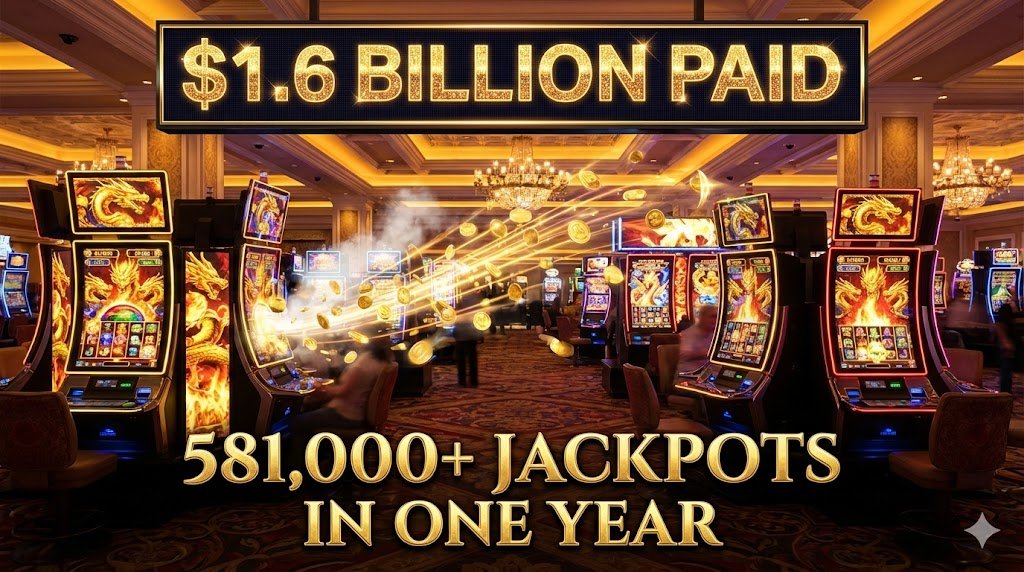
The numbers explain why someone might risk stealing these algorithms. Seminole Hard Rock Tampa alone paid out over $1.6 billion in Dragon Link jackpots in 2021 - more than 581,000 jackpots, exceeding one per minute. A single $2.19 million jackpot hit at that property in November 2025 demonstrated the game's continued premium status.
Dragon Train replicated this formula precisely: Asian theming, hold-and-spin mechanics, tiered progressive jackpots (Mini, Minor, Major, Grand), and high volatility with substantial jackpot potential. The 243-ways-to-win video slot featured a 31.01% hit frequency with RTP ranging from 88.29% to 96% depending on bet size.
Dragon Link won consecutive EKG Slot Awards from 2018 through 2023, including "Top Performing Premium Game," and captured "Best Slot Game" at the 2024 European Casino Awards. When you're copying, copy the best.
What this means for casinos and players
The settlement directly affected approximately 2,200 Dragon Train machines across North American casinos - primarily at tribal properties in California, Kansas, and Minnesota. An additional 150 Jewel of the Dragon units required removal.
Light & Wonder executed the transition efficiently. CEO Matt Wilson reported converting approximately 95% of Dragon Train units within the 30-day compliance window following the September 2024 injunction. Casino customers accepted replacement games, and Wilson claimed the company "did not suffer any long-term damage."
For players, the removal affects specific venues but doesn't alter the broader market. Dragon Link remains ubiquitous - as industry observers note, essentially every casino in Las Vegas has Dragon Link machines. The gaming industry regularly rotates slot titles based on performance analytics, so dedicated players generally adapt to game removals.
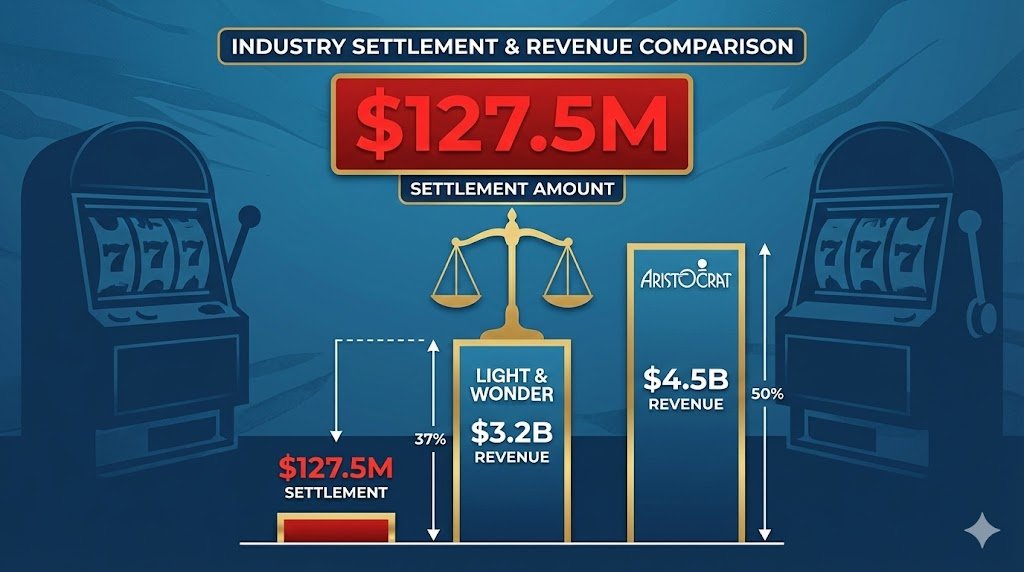
The financial impact proved manageable for both companies. Light & Wonder recorded $3.2 billion in 2024 revenue (a record year), making the $127.5 million settlement roughly 4% of annual revenue. Dragon Train's estimated annual contribution was approximately $40 million - significant but not existential. For Aristocrat, with revenues exceeding $4.5 billion, the settlement validates aggressive IP protection while preserving Dragon Link's market dominance.
The bigger picture for slot IP protection
The $127.5 million figure ranks among the largest publicly disclosed settlements in slot machine intellectual property disputes. For comparison, GC2 Inc. won a $16 million jury award against IGT/DoubleDown in 2019 - and that was considered substantial.
Several elements make this case unprecedented. Both parties disclosed financial terms publicly - rare in gaming IP settlements. Light & Wonder explicitly admitted using proprietary information - almost unheard of. The global scope spanning U.S. and Australian courts simultaneously added complexity. And the direct employee connection created unusually clear liability.
Legal expert I. Nelson Rose observed that slot machine manufacturers sue each other frequently - but noted this case was exceptional for the direct employee involvement and explicit admission. Approximately 93% of manufacturer IP lawsuits settle before trial, making the detailed public record here valuable precedent.
The monitoring provision - allowing Aristocrat confidential review of Light & Wonder's hold-and-spin portfolio - establishes new precedent for ongoing IP oversight between competitors. Gaming companies now face heightened scrutiny when hiring competitors' talent, particularly employees with access to core algorithmic intellectual property.
For an industry where gambling compliance and enforcement actions increasingly make headlines, this settlement adds IP protection to the list of existential risks manufacturers must manage. The math behind a slot game - the precise calculations determining every spin, bonus, and jackpot probability - can take years to develop yet be copied in moments by someone with internal access.
One spreadsheet. Eight years old. $127.5 million.